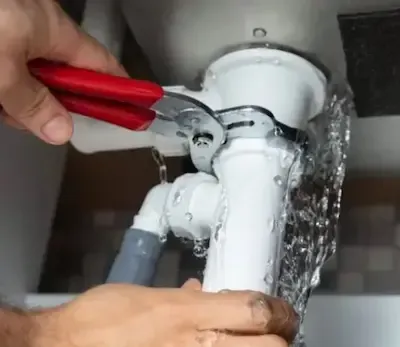
Burst Pipe Repair Pickerington OH: Stop Water Damage
Burst pipes create immediate crises that demand swift action to prevent extensive water damage in your Pickerington home. Whether you're dealing with frozen pipes that have cracked during Ohio's harsh winters or aging plumbing that has finally given way, understanding the proper repair process can save you thousands in water damage costs. This comprehensive guide covers everything Fairfield County homeowners need to know about addressing burst pipe emergencies, from immediate damage control to professional repair techniques.
Understanding Burst Pipe Emergencies
Burst pipes occur when water pressure exceeds the pipe's capacity to contain it, often due to freezing, corrosion, or excessive pressure buildup. In Pickerington's climate, temperature fluctuations between freezing and thawing create particularly challenging conditions for home plumbing systems. When water freezes inside pipes, it expands by approximately 9%, creating tremendous pressure that can crack even the strongest materials.
The most vulnerable areas in Pickerington homes include exterior walls, unheated basements, crawl spaces, and attic spaces where temperatures can drop below freezing. Copper pipes, while durable, can develop pinhole leaks over time due to corrosion, while PEX piping may burst if subjected to extreme temperature changes or physical damage.
Recognizing the signs of an impending pipe failure can help prevent catastrophic damage. Watch for reduced water pressure, unusual sounds in walls, water stains on ceilings or walls, and unexplained increases in your water bill. These warning signs often indicate developing problems that require immediate attention from professional Burst Pipe Repair services.
Immediate Water Damage Control Steps
The first moments after discovering a burst pipe determine the extent of water damage to your property. Your immediate priority involves stopping water flow and protecting your belongings. Locate your main water shutoff valve, typically found near where the water line enters your home or at the water meter. Turn this valve clockwise to completely stop water flow to your entire house.
If the burst affects only a specific fixture, you may be able to shut off water at the individual supply valve rather than the main line. These smaller valves are usually located beneath sinks, behind toilets, or near water heaters. Once water flow stops, open all faucets and flush toilets to drain remaining water from the system and reduce pressure.
Document the damage immediately with photographs for insurance purposes before beginning cleanup. Remove water-damaged items from the affected area, including furniture, carpets, and personal belongings. Use towels, buckets, or wet vacuums to remove standing water as quickly as possible. Every minute counts in preventing mold growth and structural damage.
Contact your insurance company to report the damage and begin the claims process. Most homeowner's insurance policies cover sudden and accidental pipe bursts, though gradual damage from slow leaks may not be covered. Keep detailed records of all expenses related to the emergency and cleanup process.
Professional Repair Techniques and Materials
Professional burst pipe repair requires proper assessment of the damage type and location. Copper pipe repairs often involve cutting out the damaged section and installing new copper fittings using soldering techniques. This process requires specialized tools including pipe cutters, reaming tools, flux, solder, and a propane torch. The repair area must be completely dry, and proper ventilation is essential when working with soldering materials.
PEX pipe repairs typically involve cutting out the damaged section and installing new fittings using either crimp connections or push-fit fittings. PEX repairs are generally more straightforward than copper work, as they don't require heat application or soldering skills. However, proper expansion and contraction allowances must be considered, especially in areas subject to temperature variations.
For temporary emergency repairs, pipe clamps, rubber patches, or epoxy compounds can stop leaks until professional repairs can be completed. These solutions provide short-term water containment but should never be considered permanent fixes. Professional assessment remains necessary to ensure the underlying cause of the pipe failure is addressed and prevent future incidents.
The choice between repair and replacement depends on several factors including the age of the plumbing system, extent of damage, and local building codes. In many cases, burst pipe incidents reveal broader plumbing issues that require comprehensive system updates to prevent future failures.
Common Pipe Failure Scenarios
Different pipe materials and locations present unique failure patterns that require specific repair approaches. Copper pipes commonly develop pinhole leaks due to corrosion, particularly in areas with acidic water conditions. These small leaks can quickly expand into larger ruptures if not addressed promptly. Copper pipe repairs require complete drainage of the system and careful soldering to ensure watertight connections.
PEX piping failures often occur at connection points or where pipes have been damaged during installation or renovation work. While PEX is more resistant to freezing than rigid materials, it can still burst under extreme conditions. Repairs typically involve replacing entire sections between fittings rather than attempting to patch damaged areas.
Galvanized steel pipes, common in older Pickerington homes, are particularly susceptible to corrosion and mineral buildup. When these pipes burst, replacement with modern materials is usually more cost-effective than attempting repairs. The replacement process often requires updating connections and ensuring compatibility with existing fixture connections.
Slab leak situations, where pipes beneath concrete foundations fail, present particularly challenging repair scenarios. These repairs may require accessing pipes through concrete cutting or implementing rerouting solutions that bypass the damaged underground sections. Professional assessment is crucial for determining the most effective approach to slab leak repairs.
Prevention and Long-term Protection
Preventing future pipe bursts requires understanding the conditions that lead to failure and implementing protective measures. Insulating pipes in vulnerable areas provides the first line of defense against freezing. Focus on exterior walls, crawl spaces, basements, and attic areas where temperatures can drop below freezing during Franklin County winters.
Maintaining consistent indoor temperatures helps prevent freeze-thaw cycles that stress plumbing systems. During extended cold periods, allow faucets to drip slightly to maintain water movement through the pipes. This small flow helps prevent ice formation and reduces pressure buildup that can cause pipes to burst.
Regular plumbing maintenance includes periodic inspection of visible pipes for signs of corrosion, leaks, or damage. Check water pressure regularly, as excessively high pressure can stress pipes and fittings beyond their design limits. Installing pressure-reducing valves can help maintain safe operating pressures throughout your plumbing system.
Consider upgrading older plumbing materials as part of home improvement projects. Modern PEX and copper piping systems offer improved durability and freeze resistance compared to older materials. Professional assessment can help identify vulnerable areas that would benefit from proactive replacement before failure occurs.
Local Considerations for Pickerington Homeowners
Pickerington's location in central Ohio presents specific challenges for home plumbing systems. The area experiences significant temperature variations throughout the year, with winter temperatures regularly dropping below freezing and summer conditions creating expansion and contraction cycles that stress piping systems. These conditions require careful consideration in both repair techniques and prevention strategies.
Local building codes in Fairfield County specify requirements for pipe insulation, installation depths, and material specifications that affect burst pipe repair approaches. Professional contractors familiar with these local requirements ensure repairs meet current standards and pass inspection requirements. Code compliance is particularly important when insurance claims are involved or when selling your home.
Water quality in the Pickerington area can affect pipe longevity and repair requirements. Areas with hard water or specific mineral content may experience faster corrosion rates in certain pipe materials. Understanding your local water characteristics helps inform material choices for repair and replacement projects.
Emergency response times in the Pickerington area depend on contractor availability and weather conditions. Having established relationships with qualified emergency plumbing services ensures faster response when burst pipe emergencies occur. Keep contact information readily available and understand service area coverage for your specific location.
Professional Service Selection and Emergency Response
Selecting qualified burst pipe repair services requires evaluating contractor credentials, experience, and emergency availability. Licensed plumbers with specific experience in burst pipe repairs understand the urgency of these situations and have the tools and materials needed for immediate response. Verify licensing status through Ohio licensing authorities and check insurance coverage to protect against potential damage during repair work.
Emergency plumbing services should offer 24/7 availability, particularly during winter months when pipe bursts are most common. Response time commitments and service area coverage directly impact the extent of water damage that occurs before professional help arrives. Establish relationships with qualified services before emergencies occur to ensure rapid response when needed.
Cost considerations for burst pipe repairs include emergency service fees, material costs, and potential damage restoration expenses. While emergency repairs may cost more than scheduled maintenance, the cost of delayed response often far exceeds premium service charges when water damage is considered. Most reputable contractors provide transparent pricing and work directly with insurance companies when claims are involved.
Quality assurance measures include warranty coverage on repair work and follow-up inspections to ensure repairs remain effective over time. Professional contractors stand behind their work and provide documentation needed for insurance purposes and future reference. For comprehensive guidance on emergency plumbing services in the area, review our Pickerington emergency plumber overview to understand available options and response procedures.
Recovery and System Restoration
Complete recovery from burst pipe incidents extends beyond the immediate repair to include system restoration and damage remediation. Once emergency repairs are complete, comprehensive system testing ensures all connections remain secure and water pressure returns to normal levels. This testing phase may reveal additional damage or stress points that require attention to prevent future failures.
Water damage restoration often requires professional services to prevent mold growth and structural damage. Even brief exposure to water can create long-term problems if not properly addressed. Document all damage and restoration activities for insurance purposes and future reference.
System improvements following burst pipe incidents provide opportunities to upgrade plumbing infrastructure and implement enhanced protection measures. Consider installing water detection systems, improved shutoff valves, and enhanced insulation as part of the recovery process. These investments help prevent future incidents and reduce response time when problems occur.
Long-term monitoring includes periodic inspection of repair areas and implementation of maintenance schedules that address the underlying conditions that contributed to the original failure. Professional maintenance contracts can provide ongoing monitoring and preventive care that extends system life and reduces emergency repair frequency.
