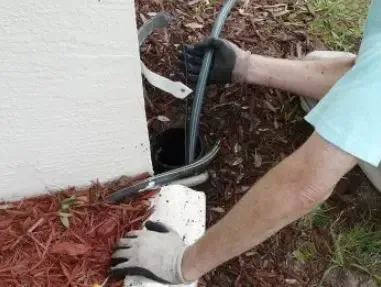
Kitchen Drain Cleaning in Pickerington Older Homes
Kitchen drains in older Pickerington homes present unique challenges that differ significantly from modern plumbing systems. If your home was built before 1990, you're likely dealing with cast iron drain lines that require specialized cleaning approaches. These vintage systems, common throughout established Pickerington neighborhoods, develop persistent clogs from grease accumulation and detergent residue that standard drain cleaners cannot effectively address.
Cast Iron Drain Line Characteristics in Pre-1990 Homes
Cast iron drain pipes were the standard in Pickerington construction through the 1980s, and these systems have distinct properties that affect kitchen drain performance. Unlike smooth plastic pipes, cast iron develops interior roughness over decades of use, creating surfaces where grease and food particles easily adhere. The interior walls of these pipes often show pitting and corrosion that traps debris, making routine maintenance more critical than in newer homes.
These older systems typically feature larger diameter main lines but smaller branch connections to individual fixtures. Kitchen sinks often connect through 1.5-inch lines that merge into 3-inch or 4-inch cast iron mains. This configuration means that kitchen waste must travel through narrower passages before reaching the larger drain system, creating natural bottleneck points where clogs commonly develop.
Professional Drain Cleaning becomes essential when standard maintenance fails to address these structural challenges in older Pickerington properties.
Grease and Detergent Accumulation Patterns
Kitchen drains in older homes accumulate grease differently than modern systems due to the cast iron's textured interior surface. Cooking oils and fats solidify more readily against the roughened pipe walls, forming layers that gradually narrow the drain opening. This process happens slowly over months or years, which explains why kitchen drain problems in older Pickerington homes often develop gradually rather than appearing suddenly.
Modern dishwashing detergents create additional complications in cast iron systems. These detergents contain surfactants designed to break down grease, but when they encounter the corroded interior of old pipes, they can form soap scum deposits that combine with grease to create particularly stubborn blockages. The alkaline nature of many detergents can also react with iron oxide in the pipes, creating mineral deposits that further restrict flow.
Temperature fluctuations in older homes compound these issues. Cast iron pipes lose heat more readily than modern materials, meaning hot grease cools and solidifies more quickly as it travels through the system. This rapid cooling often causes grease to congeal before reaching the main sewer line, creating blockages in the kitchen branch lines.
Seasonal Factors in Fairfield County
Ohio's climate patterns affect kitchen drain performance in older homes throughout the year. Winter temperatures cause cast iron pipes to contract slightly, reducing their effective diameter and making existing grease buildup more problematic. Spring cleaning efforts often introduce larger volumes of grease and debris into aging drain systems, leading to increased service calls during March and April in the Pickerington area.
Professional Cleaning Techniques for Vintage Systems
Effective kitchen drain cleaning in older Pickerington homes requires techniques specifically adapted to cast iron systems. Professional plumbers use mechanical snaking equipment with cutting heads designed to remove grease buildup without damaging the already-compromised pipe walls. Standard cable snakes often prove insufficient because they cannot effectively scrape accumulated grease from textured cast iron surfaces.
Hydro-jetting represents the most effective cleaning method for these older systems, but it requires careful pressure control. Cast iron pipes weakened by decades of corrosion can crack under excessive water pressure, so experienced technicians adjust their equipment to deliver sufficient cleaning power without structural damage. The process involves inserting high-pressure water jets that scour the pipe interior, removing both grease deposits and loose scale that contributes to future clogs.
Chemical treatments play a limited role in cast iron kitchen drain cleaning. Most drain cleaners prove ineffective against the thick grease layers that develop in these systems, and harsh chemicals can accelerate corrosion in aging pipes. Professional services typically rely on enzymatic treatments that break down organic matter without damaging the pipe structure.
Common Maintenance Mistakes in Older Homes
Homeowners often attempt solutions that work well in modern plumbing but create problems in cast iron systems. Boiling water treatments, frequently recommended for plastic pipes, can actually worsen grease clogs in cast iron lines. The metal pipes absorb heat quickly, causing the water to cool before reaching problem areas, while temporarily melting grease that then re-solidifies in a different location within the system.
Over-the-counter drain cleaners pose particular risks in older Pickerington homes. These products often contain sodium hydroxide or sulfuric acid that can react aggressively with corroded cast iron, potentially causing pipe failure. The heat generated by chemical reactions in confined spaces can also crack weakened joints, leading to expensive repairs that extend beyond the original drain cleaning need.
Many homeowners underestimate the complexity of cast iron drain systems when attempting DIY repairs. These older installations often include hidden cleanouts and access points that require professional knowledge to locate and utilize effectively. Improper use of mechanical cleaning equipment can damage pipe connections or push blockages deeper into the system, complicating professional repair efforts.
Local Considerations for Pickerington Properties
Pickerington's housing stock includes numerous subdivisions developed during the 1970s and 1980s, when cast iron remained the standard for drain installations. These neighborhoods, particularly areas around Wright Road and Hill Road North, contain homes where original plumbing systems are approaching or exceeding their expected service life. Property owners in these areas benefit from establishing relationships with local plumbers familiar with the specific challenges of aging cast iron systems.
The city's municipal water system delivers moderately hard water that interacts with cast iron pipes to create mineral deposits over time. This hardness level, combined with the area's clay soil conditions, creates unique circumstances that affect drain performance. Professional cleaning services in Pickerington understand these local factors and adjust their techniques accordingly.
For comprehensive information about drain issues throughout the area, homeowners can reference our Pickerington drain cleaning overview to understand how kitchen problems relate to broader plumbing system maintenance.
Professional Assessment and Long-term Solutions
Effective kitchen drain maintenance in older homes begins with professional assessment of the entire cast iron system. Experienced plumbers can identify weak points, measure remaining pipe thickness, and develop maintenance schedules that prevent major failures. Video inspection equipment allows technicians to examine pipe interiors without destructive excavation, providing valuable information about the system's overall condition.
Long-term solutions often involve strategic replacement of the most problematic sections while preserving serviceable portions of the original system. Kitchen branch lines typically require attention first, since they handle the highest concentration of grease and debris. Professional services can recommend replacement priorities based on inspection findings and budget considerations.
Regular professional maintenance extends the service life of aging cast iron systems significantly. Scheduled cleaning every 12-18 months removes accumulations before they become major blockages, while ongoing monitoring identifies developing problems before they require emergency intervention. This proactive approach proves more cost-effective than reactive repairs in older Pickerington homes.
