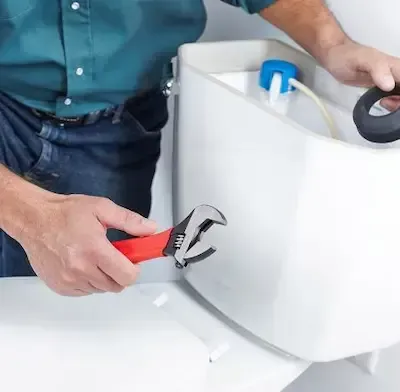
Toilet Repair Pickerington OH: Common Failures Fixed
Understanding Common Toilet Failures in Pickerington Homes
Your toilet represents one of the most critical plumbing fixtures in your Pickerington home, handling hundreds of flushes monthly while enduring constant water exposure and mechanical stress. When toilet problems develop, they rarely announce themselves gradually—instead, you'll typically face immediate issues like persistent running, weak flushes, mysterious leaks, or complete flush failures that demand prompt attention.
Pickerington residents deal with specific challenges due to our area's water composition and the mix of older homes in established neighborhoods alongside newer construction in developing areas. The mineral content in Franklin County's water supply can accelerate component wear, while temperature fluctuations throughout Ohio's seasonal changes create expansion and contraction cycles that stress seals and connections.
Most toilet failures stem from a handful of common culprits: flapper deterioration, fill valve malfunctions, wax ring failures, and drain line obstructions. Understanding these primary failure points helps you recognize symptoms early and determine whether you're facing a simple adjustment or a situation requiring professional intervention. Each component plays a crucial role in your toilet's operation, and when one fails, it often creates cascading effects throughout the entire system.
Flapper and Chain Assembly Problems
The flapper serves as your toilet's primary seal between the tank and bowl, and it's among the most frequent failure points in Pickerington homes. When you press the flush handle, the chain lifts the flapper, releasing water from the tank into the bowl. A properly functioning flapper should create a watertight seal when lowered and lift completely during flushing cycles.
Flapper deterioration occurs gradually as the rubber material becomes warped, cracked, or mineral-encrusted. You'll notice symptoms like continuous water running, incomplete flushes, or periodic gurgling sounds from the tank. The chain connecting the flush handle to the flapper frequently develops problems—too much slack prevents complete lifting, while excessive tension can prevent proper sealing.
Mineral buildup around the flapper seat creates gaps that allow water to leak continuously from tank to bowl. This constant flow triggers the fill valve to run intermittently, creating the familiar "phantom flush" phenomenon that wastes water and indicates immediate attention is needed. Toilet Repair specialists can quickly diagnose whether your flapper needs cleaning, adjustment, or complete replacement.
Chain problems often develop when previous repair attempts used inappropriate materials or incorrect length measurements. The chain should have just enough slack to allow the flapper to seat properly while providing sufficient lift during activation. Professional technicians carry multiple chain types and can ensure proper adjustment that prevents both sealing failures and lift problems.
Fill Valve Malfunctions and Water Level Issues
Your toilet's fill valve controls water entry into the tank after each flush, automatically shutting off when the proper level is reached. Modern fill valves use float mechanisms or pressure-sensing systems to determine when sufficient water has entered the tank. When this component fails, you'll experience continuous running, inadequate tank filling, or complete water supply interruption.
Age-related wear affects fill valve performance as internal seals deteriorate and moving parts accumulate mineral deposits. Pickerington's water contains dissolved minerals that create buildup within valve mechanisms, causing components to stick or fail to seal properly. You might notice the toilet running constantly, water levels that are too high or too low, or unusual hissing sounds during tank refilling.
Water level problems directly impact flush performance—too little water creates weak flushes that fail to clear the bowl effectively, while excessive water levels can cause overflow or continuous running. The fill valve's adjustment mechanism allows technicians to set proper water levels, but worn internal components may prevent consistent operation even after adjustment.
Professional diagnosis determines whether your fill valve needs cleaning, adjustment, or replacement. Modern fill valves offer improved reliability and easier adjustment compared to older designs, making replacement often more cost-effective than attempting repairs on severely worn units. Proper installation ensures years of reliable operation and eliminates the frustration of recurring water level problems.
Wax Ring Deterioration and Base Leaks
The wax ring creates a watertight seal between your toilet's base and the floor drain pipe, preventing sewer gases and water from escaping around the toilet foundation. This critical component remains hidden beneath the toilet but plays an essential role in maintaining sanitary conditions and preventing water damage to your Pickerington home's flooring and subflooring.
Wax ring failure typically develops slowly as the ring material deteriorates or shifts due to toilet movement. You'll notice symptoms like persistent odors near the toilet base, water pooling around the toilet after flushing, or a rocking motion when sitting on the toilet. These signs indicate the seal has compromised, allowing waste water and sewer gases to escape.
Several factors accelerate wax ring deterioration in Pickerington homes. Temperature fluctuations cause expansion and contraction cycles that stress the ring material. Improper initial installation or subsequent toilet removal and reinstallation can damage the ring's integrity. Age alone eventually causes wax ring failure as the material loses flexibility and adhesion properties.
Wax ring replacement requires complete toilet removal, making this repair more complex than typical toilet adjustments. Professional technicians possess the tools and experience to safely remove and reinstall toilets while ensuring proper wax ring positioning and toilet stability. New wax rings restore full sealing capability and eliminate odor and leakage problems that compromise your home's sanitary conditions.
Drain Line Blockages and Flow Restrictions
Your toilet connects to your home's main drain system through a curved trap and connecting pipes that can develop blockages from various materials. Unlike sink or shower drains that typically handle liquids and small debris, toilets must process solid waste along with paper products, creating unique challenges for maintaining clear drain lines.
Common blockage materials include excessive toilet paper, feminine hygiene products, children's toys, and organic debris that accumulates over time. Pickerington homes with older plumbing systems may experience more frequent blockages due to narrower pipe diameters, rougher pipe surfaces that catch debris, or partial restrictions from mineral buildup or root intrusion.
Blockage symptoms range from slow drainage and weak flushes to complete backup that causes water to rise in the bowl or overflow onto the bathroom floor. Partial blockages often create intermittent problems—some flushes work normally while others fail to clear the bowl completely. These inconsistent symptoms can make diagnosis challenging without professional equipment.
Professional drain cleaning addresses blockages at their source while identifying underlying conditions that contribute to recurring problems. Advanced equipment like drain cameras can locate restrictions and assess pipe condition throughout the drain line. Understanding your home's specific drainage characteristics helps prevent future blockages and maintains reliable toilet operation.
Handle and Flush Mechanism Failures
The flush handle and its internal mechanisms translate your activation into the coordinated sequence that empties and refills the tank. This system includes the handle itself, connecting arm, chain or wire linkage, and mounting hardware. When any component fails, you lose the ability to initiate proper flushing cycles.
Handle problems typically involve loose mounting hardware, corroded connections, or worn internal mechanisms. You might experience handles that stick, require excessive force, or fail to return to their normal position after activation. Internal handle mechanisms can break, leaving you unable to flush without removing the tank lid and manually lifting the flapper.
Chain and linkage problems affect the connection between handle activation and flapper operation. Broken chains prevent flapper lifting, while kinked or tangled linkages create erratic performance. Some flush mechanisms use wire linkages instead of chains, and these can bend or disconnect, disrupting the flush sequence.
Handle replacement often provides an opportunity to upgrade to more reliable mechanisms while addressing cosmetic concerns like finish deterioration or style updates. Professional installation ensures proper adjustment and long-term reliability while coordinating with your existing tank components.
Water Supply Line and Shutoff Valve Issues
Your toilet receives water through a supply line connected to a shutoff valve, typically located behind the toilet near floor level. This connection system must provide reliable water flow while allowing for maintenance shutoff when repairs are needed. Supply line problems can interrupt toilet operation or create water damage through leakage.
Supply line deterioration affects older installations where original lines have exceeded their service life. Flexible supply lines use rubber or braided materials that eventually develop cracks or connection failures. Rigid copper or plastic supply lines can develop leaks at joints or suffer damage from corrosion or physical stress.
Shutoff valve failures prevent you from stopping water flow during emergencies or routine maintenance. Valves that won't close completely allow continuous water flow even when repairs require shutoff. Valves that won't open properly restrict water flow to the toilet, causing slow tank filling or inadequate water supply for proper operation.
Professional supply line and valve service includes leak detection, component testing, and preventive replacement recommendations. Modern supply line materials offer improved reliability and easier installation compared to older designs. Upgrading these components during routine toilet service prevents emergency situations and ensures reliable water supply.
Local Considerations for Pickerington Toilet Repairs
Pickerington's location in central Ohio creates specific conditions that affect toilet performance and repair needs. Our area experiences significant seasonal temperature variations that cause expansion and contraction cycles in plumbing components. Homes in established neighborhoods like Sycamore Creek and Violet Township often have plumbing systems that require different approaches compared to newer construction in developing areas.
Franklin County's water supply contains mineral levels that accelerate component wear, particularly affecting rubber seals, valve mechanisms, and metal connections. Properties served by well water may experience different mineral compositions that create unique maintenance requirements. Understanding your specific water conditions helps predict component life expectancy and plan preventive maintenance.
Local building codes and permit requirements apply to certain toilet repair situations, particularly when upgrades involve structural modifications or water supply changes. Professional repair services understand these requirements and ensure compliance while protecting your investment. Working with local specialists familiar with Pickerington's specific conditions provides advantages in diagnosis, parts availability, and long-term service support.
Many Pickerington homes built in recent decades use water-saving toilet designs that require specific repair approaches and component types. Older homes may benefit from toilet upgrades that improve performance while reducing water consumption. our hidden leak detection primer explains how to identify hidden water loss that affects overall home efficiency.
Professional Repair Considerations and Timing
Toilet repairs require careful evaluation to determine the most cost-effective approach for your specific situation. Simple adjustments and component replacements often restore full functionality, while extensive wear or damage may justify complete toilet replacement. Professional assessment considers your toilet's age, condition, and repair history along with your long-term needs and preferences.
Timing affects repair success and cost—addressing problems early prevents secondary damage and maintains sanitary conditions. Delaying repairs often leads to more extensive problems like floor damage from leaks, increased water consumption from running toilets, or complete system failure that requires emergency service. Regular maintenance identifies developing problems before they create urgent situations.
Emergency toilet situations require immediate professional response to prevent water damage and restore essential bathroom function. Having a relationship with qualified local repair services ensures prompt response when urgent problems develop. Understanding your toilet's specific requirements helps professionals provide efficient service with appropriate parts and materials.
Quality repairs use manufacturer-specified components and proper installation techniques that ensure long-term reliability. Professional technicians carry comprehensive parts inventories and possess the tools needed for complete repairs during single service calls. This approach minimizes disruption to your daily routine while providing lasting solutions to toilet performance problems.
