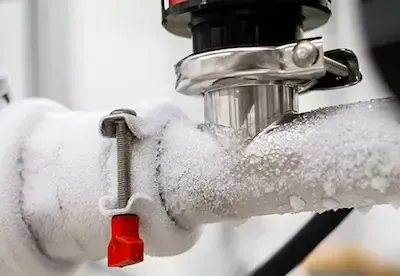
Frozen Pipe Repair Pickerington OH: Thaw Without Damage
Winter temperatures in Pickerington can drop well below freezing, creating conditions where your home's water pipes become vulnerable to ice formation. When water freezes inside pipes, it expands with tremendous force, potentially causing splits, cracks, or complete ruptures that can lead to thousands of dollars in water damage. Understanding how to safely thaw frozen pipes and recognize the warning signs of damage can save you from costly emergency repairs and protect your property from flooding.
Understanding Frozen Pipe Mechanics in Central Ohio
Frozen pipes occur when water inside your plumbing system reaches 32 degrees Fahrenheit or below. In Pickerington's climate, this typically happens during prolonged cold snaps when outdoor temperatures remain below 20 degrees for several hours. The pipes most susceptible to freezing are those located in unheated areas like basements, crawl spaces, attics, and exterior walls facing north or northwest.
When water begins to freeze, it doesn't immediately block the entire pipe. Instead, ice crystals form along the pipe walls, gradually reducing water flow. As more ice accumulates, pressure builds up behind the blockage. This pressure, combined with the expansion of freezing water, creates stress points that can cause the pipe material to crack or split.
Different pipe materials respond differently to freezing conditions. Copper pipes are particularly vulnerable because metal conducts cold efficiently, but they're also more likely to split cleanly rather than burst catastrophically. PVC and plastic pipes have some flexibility, but extreme cold can make them brittle. Older galvanized steel pipes may develop pinhole leaks at joints and fittings where corrosion has already weakened the material.
Early warning signs of frozen pipes include reduced water flow from faucets, unusual sounds when turning on taps, visible frost on exposed pipes, and strange odors coming from drains. In Fairfield County homes, these symptoms often first appear in guest bathrooms, basement utility sinks, and kitchen pipes running along exterior walls.
Safe Thawing Methods and Equipment
The key to successful frozen pipe repair lies in applying heat gradually and evenly. Never use open flames, blowtorches, or other high-heat sources that can damage pipes or create fire hazards. Instead, focus on gentle, controlled warming techniques that allow ice to melt slowly without shocking the pipe material.
Hair dryers represent one of the safest and most effective thawing tools for accessible pipes. Set the dryer to medium heat and work from the faucet end toward the frozen section, moving the dryer back and forth to distribute heat evenly. This method typically takes 15-30 minutes depending on the length of frozen pipe, but it minimizes the risk of sudden pressure changes that could worsen existing cracks.
Electric heating pads work well for pipes you can wrap completely. Set the pad to low or medium heat and secure it around the frozen section with electrical tape or zip ties. Leave space for the ice to expand as it melts, and check the pipe every 10-15 minutes to monitor progress. This method works particularly well for horizontal runs in basements or crawl spaces.
Towels soaked in hot water provide another safe option, especially for pipes in tight spaces where electrical equipment might be unsafe. Heat water to just below boiling, soak old towels thoroughly, and wrap them around the frozen section. Replace the towels every 5-10 minutes as they cool. While this method requires more effort, it gives you excellent control over the heating process.
Space heaters can thaw larger areas but require careful positioning to avoid fire hazards. Place the heater several feet away from any pipes, walls, or combustible materials. Never leave space heaters unattended, and ensure adequate ventilation in the area. This method works best for warming entire rooms where multiple pipes might be affected.
Detection Methods for Hidden Pipe Damage
Even successful thawing doesn't guarantee your pipes escaped damage. Ice expansion can create microscopic cracks that won't leak immediately but will fail under normal water pressure once service resumes. Professional Frozen Pipe Repair technicians in Franklin County use several techniques to identify hidden damage before it becomes a flooding emergency.
Visual inspection should be your first step after thawing any frozen pipe. Look carefully along the entire length for bulges, discoloration, or wet spots that might indicate stress damage. Pay special attention to joints, elbows, and fittings where pressure concentrates during freezing. Even small drops of water or damp areas can signal developing leaks that will worsen over time.
Pressure testing involves slowly restoring full water pressure while monitoring for leaks. Start by turning the water supply back on gradually, listening for unusual sounds like hissing, dripping, or rushing water behind walls. Check all downstream faucets and fixtures to ensure normal flow and pressure. Any reduction in water pressure compared to pre-freeze conditions may indicate a leak somewhere in the system.
Temperature monitoring can reveal problems not immediately visible. Use an infrared thermometer to check pipe temperatures along the thawed section. Unusually cold spots might indicate areas where water is seeping into surrounding insulation or building materials. These wet areas will stay colder than dry sections and can lead to mold problems if not addressed quickly.
Sound detection techniques help identify leaks behind walls or in inaccessible areas. Turn off all water-using appliances and listen carefully in quiet areas of your home. The sound of running water when no fixtures are in use indicates a leak somewhere in the system. This method works best during overnight hours when household noise is minimal.
Emergency Response Procedures
When you discover frozen pipes, your immediate response can determine whether you face a minor inconvenience or major property damage. Time-sensitive actions in the first few minutes often make the difference between successful DIY thawing and emergency plumber calls.
Shut off the main water supply immediately if you suspect any pipe damage or hear water running where it shouldn't be. Locate your home's main water shutoff valve, typically found near where the service line enters your house or at the water meter. Every adult in your household should know this location and how to operate the valve, as seconds count during pipe failures.
Open faucets connected to frozen pipes to relieve pressure as ice melts. Start with both hot and cold taps on fixtures served by the frozen line. This allows expanding water and melting ice somewhere to go rather than building pressure against pipe walls. Keep these faucets open throughout the thawing process and for several hours afterward to ensure complete ice removal.
Document the situation with photos before beginning any thawing attempts. Insurance companies increasingly require detailed documentation of frozen pipe incidents, including before and after photos of affected areas. Take pictures of any visible ice, frost, or damage, and note the time, date, and weather conditions. This documentation becomes crucial if you need to file insurance claims later.
Remove stored items from areas where pipes might leak once thawed. Water damage to personal property often exceeds the cost of pipe repairs themselves. Move electronics, important documents, furniture, and other valuables away from potential leak zones. Place buckets or containers under suspected problem areas to catch dripping water.
Common Thawing Mistakes That Worsen Damage
Many homeowners inadvertently cause more damage during thawing attempts by using inappropriate methods or rushing the process. Understanding these common mistakes helps you avoid turning minor freeze incidents into major repair projects.
Using excessive heat represents the most dangerous mistake. Blowtorches, propane heaters, or other high-temperature sources can cause rapid steam formation that builds dangerous pressure inside pipes. The sudden temperature change can also cause metal pipes to expand too quickly, creating stress cracks that weren't present before thawing began. Additionally, excessive heat can damage plastic pipes or start fires in areas with insulation or other combustible materials.
Thawing from the wrong direction often worsens blockages. Many people start heating at the most accessible point rather than working from the fixture back toward the supply line. This approach can trap melting water between the heat source and remaining ice, creating pressure buildups that force water into cracks or joints. Always begin thawing at the faucet end and work backward toward the frozen section.
Ignoring other affected pipes frequently leads to additional freezing while you focus on one problem area. Cold weather that freezes one pipe often affects others in similar locations. Check all pipes in unheated areas, not just the one showing obvious symptoms. Failure to address multiple frozen areas simultaneously can result in continued problems as you solve each issue individually.
Restoring full water pressure too quickly after thawing can cause previously stable cracks to open into major leaks. Gradually increase water pressure over 15-20 minutes rather than turning the supply back on all at once. This allows time to identify small leaks before they become flooding situations and gives pipe materials time to readjust to normal operating conditions.
Pickerington Climate Considerations and Prevention
Pickerington's location in central Ohio creates specific challenges for preventing frozen pipes. The area experiences sudden temperature drops, lake-effect weather patterns from the Great Lakes region, and freeze-thaw cycles that can stress plumbing systems repeatedly throughout winter months.
Local building codes in Franklin County require specific insulation standards for new construction, but many older homes in established Pickerington neighborhoods lack adequate pipe protection. Homes built before 1980 often have insufficient insulation around pipes in crawl spaces, basements, and exterior walls. Understanding your home's construction era helps predict which areas need additional freeze protection.
Wind chill effects significantly impact pipe freezing in Pickerington's exposed rural areas. Even when air temperatures hover near freezing, strong northwest winds can drive effective temperatures well below the point where pipes freeze. Pipes in mobile homes, additions without proper foundations, or structures with significant air infiltration face higher risk during windy conditions.
Municipal water pressure variations can affect freezing patterns in local neighborhoods. Areas of Pickerington served by wells or with lower municipal pressure may experience different freezing characteristics than homes with high-pressure city water. Lower pressure systems often have reduced flow that allows ice to form more easily, while high-pressure systems may delay freezing but create more dramatic failures when pipes do crack.
Seasonal maintenance scheduling should align with typical Pickerington weather patterns. The most severe cold snaps usually occur between mid-December and February, but early freezes in November or late cold spells in March catch many residents unprepared. Begin winterization efforts by Thanksgiving and maintain freeze protection through the end of March.
Professional Assessment and Repair Options
While many frozen pipe situations respond well to careful DIY thawing, certain circumstances require professional intervention to prevent property damage or ensure safe repairs. Recognizing these situations helps you know when to call for expert help rather than risk making problems worse.
Hidden pipe locations present the greatest challenge for homeowner thawing efforts. Pipes inside walls, under concrete slabs, or in inaccessible crawl spaces often require specialized equipment to thaw safely. Professional plumbers use pipe thawing machines that circulate warm water or apply controlled electrical current to melt ice without damaging surrounding building materials.
Multiple system failures indicate problems beyond simple freezing that may require comprehensive evaluation. When several fixtures lose water simultaneously, or when you discover frozen pipes in multiple areas of your home, the situation often involves broader issues like heating system problems, insulation failures, or air infiltration that professional assessment can identify and correct.
Suspected structural damage from pipe failures requires immediate professional evaluation. If you notice water stains on ceilings, wet drywall, or signs of water accumulation in walls or floors, the situation has moved beyond simple pipe thawing into potential structural repair territory. Professional water damage assessment becomes necessary to prevent mold growth and maintain building integrity.
Insurance claim situations benefit from professional documentation and repair. Many insurance policies require professional assessment of pipe damage before approving claims. Having a licensed plumber evaluate and document the situation provides the technical evidence insurance companies need to process claims efficiently. This professional documentation often pays for itself through faster claim resolution and more complete coverage.
For situations requiring immediate professional attention, you'll want to reference our water heater repair breakdown to understand how frozen pipes can affect your entire hot water system and create cascading problems throughout your home's plumbing network.
Long-term Prevention Strategies
Successful frozen pipe prevention requires year-round attention to vulnerable areas and proactive maintenance that addresses underlying causes rather than just treating symptoms. Effective prevention strategies pay for themselves by avoiding expensive emergency repairs and water damage restoration costs.
Insulation improvements should focus on pipes in unheated areas rather than trying to heat those spaces. Pipe insulation sleeves, available at local hardware stores, provide cost-effective protection for exposed pipes in basements, crawl spaces, and garages. Choose insulation rated for your area's minimum temperatures and ensure complete coverage without gaps that allow cold air infiltration.
Air infiltration control often provides more freeze protection than additional heating. Seal gaps around pipes where they enter walls, floors, or ceilings using expanding foam or caulk appropriate for the gap size. Pay special attention to areas where utilities enter your home, as these penetrations often create pathways for cold air to reach pipes.
Heating system maintenance ensures adequate warmth reaches vulnerable pipe areas. Have your heating system serviced annually to maintain efficient operation, and consider supplemental heating in areas with pipes that have frozen previously. Small electric heaters designed for crawl spaces or pipe areas can provide targeted protection without dramatically increasing energy costs.
Water flow management during extreme cold helps prevent ice formation in vulnerable pipes. During severe cold snaps, allow faucets served by exposed pipes to drip slowly overnight. Moving water freezes at lower temperatures than standing water, and even small flow rates can prevent ice formation in marginally protected pipes.
Emergency preparedness planning should include knowing your home's plumbing layout, water shutoff locations, and contact information for reliable local repair services. Create a winter emergency kit that includes basic thawing tools, emergency contact numbers, and instructions for family members who might need to respond to freezing situations when you're not home.
