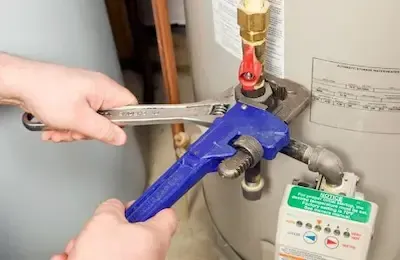
Water Heater Repair Pickerington OH: Failure Patterns
Understanding Water Heater Failure Patterns in Pickerington
Water heaters in Pickerington homes typically follow predictable failure patterns that homeowners can learn to recognize early. The climate conditions in central Ohio, combined with the mineral content of local water supplies, create specific stress patterns on both tank and tankless systems. Understanding these common failure modes helps you identify problems before they lead to complete system breakdown or water damage in your home.
Most water heater failures in the Pickerington area fall into several distinct categories: heating element problems, tank corrosion, thermostat malfunctions, and sediment buildup. Each type of failure presents unique warning signs and requires different repair approaches. Recognizing these patterns early can save hundreds of dollars in emergency repairs and prevent the inconvenience of sudden hot water loss during Ohio's cold winter months.
Tank Water Heater Failure Modes
Traditional tank water heaters in Pickerington homes show consistent failure patterns related to their design and local water conditions. The most common issue involves sediment accumulation at the bottom of the tank, which occurs more rapidly in areas with hard water. This sediment layer acts as insulation between the heating element and the water, forcing the system to work harder and leading to premature component failure.
Corrosion represents another major failure pattern, particularly affecting the tank walls and internal components. The sacrificial anode rod, designed to prevent tank corrosion, typically requires replacement every 3-5 years in Pickerington's water conditions. When homeowners neglect this maintenance, corrosion accelerates and can lead to tank leaks that require complete unit replacement.
Heating element failure follows a predictable pattern in electric water heaters. The lower heating element typically fails first due to sediment exposure and higher operating temperatures. Upper element failure often follows, leaving homeowners with no hot water. Gas water heaters experience similar issues with their burner assemblies, though the failure pattern involves gas valve problems and thermocouple malfunctions rather than electrical components.
Thermostat failures create inconsistent water temperatures and increased energy costs. These components regulate when heating elements activate and can stick in the "on" position, causing overheating, or fail to activate, resulting in cold water. Water Heater Repair specialists in the area frequently encounter these thermostat issues during routine service calls.
Tankless System Failure Patterns
Tankless water heaters exhibit different failure patterns compared to traditional tank systems. The most frequent issue involves mineral scale buildup in the heat exchanger, which reduces efficiency and can completely block water flow. Pickerington's water supply contains minerals that accelerate this scaling process, making annual descaling maintenance essential for system longevity.
Flow sensor malfunctions represent another common failure mode in tankless units. These sensors detect water movement and signal the system to begin heating. When sensors fail or become contaminated with debris, the unit may not activate when hot water is needed, or it may cycle on and off rapidly during use.
Gas tankless units frequently experience venting problems, particularly during Ohio's extreme weather conditions. High winds, snow accumulation, or ice formation can block intake or exhaust vents, causing the unit to shut down for safety reasons. These environmental factors create seasonal failure patterns that coincide with winter weather in central Ohio.
Electronic control board failures affect both gas and electric tankless systems. These sophisticated components manage all system operations but are sensitive to power surges and electrical fluctuations. During summer storms common in the Pickerington area, power irregularities can damage control boards, requiring professional replacement.
Seasonal Failure Patterns
Water heater failures in Pickerington follow distinct seasonal patterns that correlate with local weather conditions and usage demands. Winter months see increased failure rates due to higher hot water demand and the stress of heating incoming cold water. Systems that operate normally during moderate weather often reveal problems when forced to work harder during Ohio's coldest periods.
Spring brings a different set of challenges as systems that survived winter stress may finally succumb to accumulated wear. This period often reveals problems that developed gradually throughout the heating season. Additionally, spring storms and power fluctuations can damage electrical components in both tank and tankless systems.
Summer failures typically involve overheating problems, particularly in tank units located in hot attics or basements with poor ventilation. The combination of high ambient temperatures and normal system operation can overwhelm aging components. Vacation periods also reveal problems when systems sit idle and then restart, exposing issues that developed during dormant periods.
Fall represents a critical time for preventive maintenance before winter demands increase. Many failures that occur in early winter could have been prevented with proper fall maintenance. Professional technicians recommend annual inspections during this period to identify and address potential problems before they cause system failure.
Common Warning Signs and Early Detection
Recognizing early warning signs allows homeowners to address problems before complete system failure occurs. Water temperature fluctuations often indicate thermostat problems or sediment buildup affecting heat transfer. If your hot water runs out more quickly than normal, this suggests tank capacity issues or heating element problems requiring professional attention.
Strange noises from your water heater indicate specific problems. Popping or crackling sounds typically result from sediment buildup causing water to boil underneath the mineral layer. Rumbling or banging noises suggest loose components or severe sediment accumulation. These sounds become more pronounced as problems worsen and should prompt immediate professional evaluation.
Water quality changes provide important clues about internal system condition. Rusty or discolored hot water indicates tank corrosion or component deterioration. Metallic tastes or odors suggest anode rod failure or bacterial growth within the tank. These signs require prompt attention to prevent more serious problems and potential health concerns.
Increased energy bills without corresponding usage increases often signal declining system efficiency. As components wear and sediment accumulates, water heaters must work harder to maintain desired temperatures, consuming more energy. Monitoring utility bills helps identify developing problems before they cause complete system failure.
For homeowners dealing with multiple plumbing issues, our sewer backup repair walkthrough provides additional guidance on managing complex plumbing problems that may affect your entire home's water system.
Age-Related Failure Progression
Water heaters in Pickerington homes follow predictable age-related failure patterns that help homeowners plan for maintenance and replacement. Units under five years typically experience minor issues like thermostat adjustments or anode rod replacement. These early-life problems usually respond well to professional maintenance and don't indicate serious system defects.
The 5-8 year period represents the prime operating years for most water heaters when properly maintained. However, neglected systems may begin showing signs of sediment-related problems or minor component failures. Regular maintenance during this period extends system life significantly and prevents more serious issues from developing.
Systems approaching 8-12 years enter the period where major component failures become more common. Heating elements, gas valves, and control systems may require replacement. Tank corrosion becomes a concern, particularly if anode rod maintenance has been neglected. This age range requires careful monitoring and professional evaluation to determine repair versus replacement decisions.
Water heaters over 12 years old typically require increasing maintenance and face higher failure rates. While some units continue operating effectively with proper care, others may experience cascading failures where multiple components fail in succession. Age-related failures often justify complete system replacement rather than continued repairs.
Environmental Factors Affecting Failure Patterns
Local environmental conditions in Pickerington and surrounding Franklin County areas significantly influence water heater failure patterns. The region's water hardness levels accelerate sediment buildup and component wear compared to areas with softer water supplies. Homeowners with private wells may experience different failure patterns based on their specific water chemistry.
Installation location affects failure rates and patterns significantly. Water heaters in unconditioned spaces like garages or basements experience greater temperature fluctuations, leading to increased stress on components. Units exposed to freezing temperatures risk pipe damage and system failure during Ohio's harsh winters.
Power quality issues common in suburban areas can affect electronic components in both tank and tankless systems. Voltage fluctuations, power surges, and brief outages stress control circuits and electronic components. Homes with older electrical systems or those prone to power irregularities see higher rates of electronic component failure.
Local building practices and plumbing configurations also influence failure patterns. Homes built during certain periods may have specific installation characteristics that create unique stress patterns or maintenance challenges. Understanding these local factors helps predict and prevent common failure modes.
Professional Intervention and Repair Strategies
Effective water heater repair requires understanding both the immediate problem and underlying failure patterns that led to the issue. Professional technicians in the Pickerington area approach repairs systematically, addressing not only the failed component but also the conditions that contributed to the failure. This comprehensive approach prevents recurring problems and extends system life.
Diagnostic procedures focus on identifying the root cause of failures rather than simply replacing failed parts. Professional evaluation includes water quality testing, system performance analysis, and component condition assessment. This thorough approach ensures repairs address underlying issues and prevent future failures.
Timing of professional intervention significantly affects repair outcomes and costs. Early intervention when warning signs first appear typically results in less expensive repairs and prevents secondary damage. Waiting until complete failure occurs often requires more extensive repairs or complete system replacement.
Professional repair strategies consider system age, local conditions, and homeowner budget constraints. Experienced technicians provide honest assessments of repair value versus replacement options, helping homeowners make informed decisions about their water heating systems. This guidance proves especially valuable for aging systems where repair costs may exceed replacement benefits.
