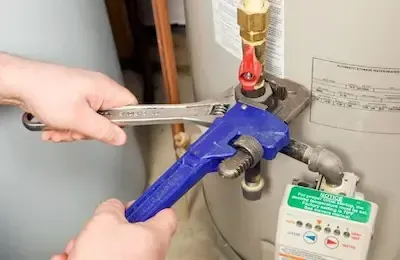
Gas vs. Electric Water Heater Repair in Pickerington
If your water heater stopped working and you're trying to figure out what went wrong, the type of unit you have matters more than most homeowners realize. Gas and electric water heaters share some failure points but differ significantly in how they break down, what repairs cost, and how difficult they are to fix. In Pickerington, where neighborhoods range from newer construction along Refugee Road to older homes near downtown, both types are common — and knowing which you have is the first step toward getting the right repair.
How Gas and Electric Water Heaters Differ in Design
Gas water heaters use a burner assembly at the base of the tank, a thermocouple or thermopile to monitor the pilot flame, and a flue that vents combustion gases out of the home. Electric models replace all of that with one or two heating elements submerged inside the tank, controlled by thermostats mounted on the tank exterior. Both types store hot water in an insulated tank and use a pressure relief valve as a safety mechanism, but beyond that, the internal components are almost completely different. That difference shapes every repair scenario you'll encounter.
Common Gas Water Heater Failures
Gas units tend to fail in a handful of predictable ways. The thermocouple — a small safety sensor that shuts off gas flow if the pilot goes out — is one of the most frequent failures in older units. It's also one of the less expensive repairs, typically running between $75 and $150 in labor and parts in the Pickerington area. A faulty gas valve or control assembly is a more serious issue and can cost $200 to $350 or more depending on the model. Burner problems, including clogged orifices or a cracked heat exchanger, are less common but require more involved diagnosis.
Venting problems are unique to gas water heaters. If the flue becomes blocked or improperly drafted, combustion gases can back-draft into the living space — a safety hazard that goes well beyond a simple repair. Any time a gas unit is showing signs of incomplete combustion, such as a yellow or orange flame instead of blue, or if there's a persistent smell near the unit, it should be shut off and inspected before further use. If you're dealing with water around the base of your unit rather than a burner issue, reviewing the water heater shutoff steps can help you prevent water damage while you wait for service.
Common Electric Water Heater Failures
Electric water heaters fail most often due to burned-out heating elements or faulty thermostats. Most residential electric units have two elements — upper and lower — and either one can fail independently. A bad lower element usually results in lukewarm water that runs out quickly. A bad upper element often means no hot water at all. Replacing a heating element in Pickerington typically costs $100 to $200 depending on parts and labor, and it's a relatively straightforward job for a licensed plumber.
Thermostat failures are also common on electric units. The thermostats sit directly behind access panels on the side of the tank, and they can be replaced without draining the unit in most cases. What electric models don't have to deal with are gas valve failures, venting issues, or pilot light problems — which makes their failure patterns somewhat more predictable and, in many cases, less expensive to diagnose.
Which Type Breaks Down More Often
In general, neither type is dramatically more reliable than the other when properly maintained. Gas units tend to have more components that can fail — pilot assemblies, thermocouples, gas valves, and venting systems — while electric units have fewer moving parts but are susceptible to element burnout, particularly if the tank has sediment buildup that forces elements to work harder. Water quality in Pickerington, like much of central Ohio, includes enough mineral content to accelerate sediment accumulation in any tank-style heater. Flushing the tank annually slows this process down significantly for both types.
One area where electric water heaters tend to show more wear is in homes that have had their power interrupted frequently or that have experienced voltage fluctuations. Surge events can damage thermostats and elements in ways that aren't immediately obvious. Gas units are generally unaffected by those same electrical issues, though they do require electricity to power the igniter on most modern models.
Repair Costs Compared Locally
For Water Heater Repair in Pickerington, expect to pay anywhere from $75 for a minor thermocouple swap on a gas unit to $400 or more for a gas valve replacement or a dual-element repair on a larger electric tank. The cost of the service call itself — which typically runs $80 to $120 in the Pickerington and Fairfield County area — applies to either type. Diagnostic time on gas units often runs slightly longer due to the need to check venting and combustion safety in addition to the component itself.
Emergency or after-hours repairs add to those numbers regardless of fuel type. If your unit fails on a weekend and you're waiting on a part that needs to be ordered, expect the total cost to reflect both the premium labor rate and any expedited parts sourcing fees. This is worth considering when you're deciding whether to repair or replace a unit that's already more than a decade old.
When Replacement Makes More Sense Than Repair
Regardless of whether you have a gas or electric unit, there's a point where continued repair becomes less financially sensible than replacement. A common benchmark is the Rule of 1000 — if the cost of repair exceeds $1,000, or if the repair cost times the age of the unit in years exceeds $1,000, replacement is likely the better investment. Most tank water heaters have a realistic service life of 8 to 12 years, and in Pickerington's mineral-rich water conditions, units on the shorter end of that range aren't unusual.
If you're replacing a gas unit, it's worth evaluating whether switching to electric — or to a heat pump water heater — makes sense given current utility rates in Ohio. Heat pump models are significantly more energy-efficient but require adequate space and ambient temperature to operate correctly, which is something to discuss with a plumber familiar with your specific home layout and basement conditions.
Getting the Right Diagnosis in Pickerington
Whether you're dealing with a gas unit that won't light or an electric tank that's only producing lukewarm water, accurate diagnosis is what separates a one-visit fix from a recurring problem. Pickerington homeowners are best served by working with a plumber who is comfortable with both fuel types and can advise honestly on whether a repair makes sense or whether it's time to start looking at replacement options. The fuel type matters less than the quality of the diagnosis you get upfront.
