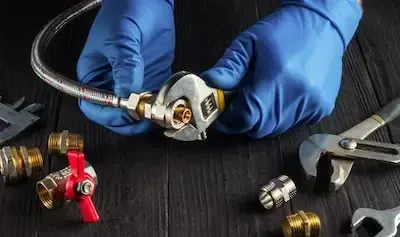
Gas Line Repair Pickerington OH: Permits and Safety
Gas line issues in Pickerington require immediate attention and proper procedures to protect your family and property. Whether you're dealing with a suspected leak, planning new installations, or addressing aging infrastructure, understanding local permit requirements and emergency safety protocols can make the difference between a manageable situation and a dangerous one.
Understanding Gas Line Systems in Pickerington Homes
Most Pickerington homes built in the last few decades rely on natural gas for heating, water heating, and cooking appliances. Your gas system includes the main service line from the street, a meter, distribution piping throughout your home, and individual connections to each appliance. These systems operate under significant pressure, making proper installation and maintenance critical for safety.
The materials used in gas lines have evolved significantly over time. Older Pickerington homes may still have galvanized steel or iron pipes, which are prone to corrosion and leaks over time. Modern installations use yellow polyethylene for underground sections and flexible stainless steel connectors for appliance connections. Understanding what type of system you have helps determine maintenance needs and potential problem areas.
Gas pressure in residential systems typically ranges from 1/4 PSI to 2 PSI, depending on your location and system design. Even at these relatively low pressures, damaged lines can release substantial amounts of gas quickly. The distinctive mercaptan odor added to natural gas serves as your primary warning system, though you should never rely solely on smell for leak detection.
Permit Requirements for Gas Line Work in Pickerington
The City of Pickerington requires permits for most gas line work beyond basic appliance connections. New gas line installations, extensions to existing systems, and repairs involving buried lines all require proper permitting through the city's building department. The permit process ensures work meets safety standards and receives proper inspection.
Before beginning any gas line project, you'll need to submit detailed plans showing the proposed work, pipe sizing calculations, and connection methods. The city requires licensed contractors to pull permits for most gas work, protecting homeowners from improper installations. Permit fees vary based on project scope, but they represent a small cost compared to the safety benefits of proper oversight.
Inspection requirements typically include a pressure test before backfilling any buried lines, connections verification at each appliance, and a final system check. These inspections must occur at specific project phases, so coordinate timing with your contractor to avoid delays. Failed inspections require corrections before work can proceed.
For Gas Line Repair work that doesn't require permits, such as replacing a flexible appliance connector, you still need to follow proper procedures and use approved materials. When in doubt about permit requirements, contact the Pickerington building department for clarification before starting work.
Recognizing Gas Leak Warning Signs
The most obvious sign of a gas leak is the distinctive sulfur or rotten egg smell added to natural gas. However, outdoor leaks may dissipate quickly, and some people have reduced sensitivity to the odorant. Visual indicators include dead vegetation near gas lines, dirt or dust blowing from underground areas, and hissing sounds near appliances or meters.
Inside your Pickerington home, watch for pilot lights that frequently blow out, yellow or orange flames instead of blue on gas appliances, and condensation on windows near gas equipment. Physical symptoms in occupants can include headaches, dizziness, fatigue, and nausea when using gas appliances.
Electronic gas detectors provide additional protection beyond your natural senses. These devices can detect gas concentrations below the odor threshold and provide early warning of developing problems. Install detectors near gas appliances and in basements or crawl spaces where gas might accumulate.
Never ignore potential leak indicators, even if they seem minor. Small leaks can worsen rapidly, especially during temperature changes or ground settling. Document any suspicious odors or signs and contact professionals immediately for investigation.
Emergency Safety Procedures for Gas Leaks
If you smell gas or suspect a leak, your immediate priorities are evacuation and professional response. Do not operate electrical switches, use phones inside the house, or create any potential ignition sources. Exit the building immediately and move to a safe distance upwind from the suspected leak area.
Once safely away from the building, call 911 and your gas utility company from a cell phone or neighbor's house. Provide your address and describe what you observed. Emergency responders will shut off gas service and assess the situation before allowing anyone back inside.
Know the location of your main gas shutoff valve, typically near the meter outside your home. In emergency situations, you may need to shut off gas service yourself using a wrench or gas shutoff tool. Turn the valve a quarter turn so it's perpendicular to the pipe. Once shut off, only qualified technicians should restore gas service.
Keep a gas shutoff wrench or adjustable wrench accessible near your meter location. Some Pickerington residents attach the tool to the meter with a chain for quick access during emergencies. Never attempt to shut off gas at individual appliances during a leak emergency - focus on the main valve and evacuation.
Common Gas Line Problems in Pickerington
Corrosion represents the most common cause of gas line failure in older Pickerington homes. Underground steel lines are particularly susceptible to moisture and soil conditions that promote rust and deterioration. Signs of corrosion include discolored soil, metallic odors, and reduced gas flow to appliances.
Tree root intrusion affects underground gas lines, especially older installations without proper protection. Roots can crack pipes or dislodge fittings, creating leak paths. This problem often develops slowly but can worsen dramatically during dry periods when roots seek moisture sources.
Settlement and shifting foundations can stress rigid gas lines, particularly where they enter buildings. Pickerington's clay soils are prone to expansion and contraction with moisture changes, putting additional stress on underground utilities. Flexible connections help accommodate movement, but older rigid systems may develop stress cracks.
Appliance connector failures occur frequently with older rubber and metal connectors. Modern flexible stainless steel connectors are more reliable but still require periodic inspection. Never reuse old connectors when relocating appliances, as the stress can compromise their integrity.
Professional vs DIY Gas Line Work
Most gas line work requires professional installation for safety and legal compliance. Licensed plumbers and gas fitters have the training, equipment, and insurance necessary for safe gas line work. They understand local codes, proper materials, and testing procedures that ensure reliable installations.
Homeowners can legally perform limited gas line work in some situations, such as replacing appliance connectors with approved materials. However, any work involving buried lines, new installations, or modifications to existing systems typically requires professional expertise and permitting.
Professional gas line work includes proper pressure testing, leak detection, and code compliance verification. Contractors carry liability insurance that protects homeowners from damages related to gas work. The cost of professional installation is small compared to the potential consequences of improper work.
Even for permitted DIY work, consider consulting with professionals for guidance on materials, procedures, and safety protocols. Many gas-related accidents result from well-intentioned but improperly executed repairs or modifications.
Choosing Qualified Gas Line Contractors in Pickerington
Verify that any contractor you hire holds proper licensing for gas line work in Ohio. Plumbing contractors must maintain current state licenses and local permits for gas installations. Request to see credentials and verify license status through state regulatory agencies.
Experience with gas systems matters significantly for safety and reliability. Ask potential contractors about their experience with your type of system and similar projects in Pickerington. References from recent local customers provide insight into work quality and professional practices.
Insurance coverage is non-negotiable for gas line work. Contractors should carry both liability insurance and workers' compensation coverage. Request proof of current insurance and verify coverage directly with insurance providers if needed.
Get detailed written estimates that specify materials, labor, permits, and timeline expectations. Compare not just prices but also approaches to the work and included services. Quality contractors will explain their methods and answer questions thoroughly.
For additional plumbing needs beyond gas lines, you might also reference our Pickerington toilet repair overview for comprehensive home maintenance planning.
Maintenance and Prevention Strategies
Regular visual inspection of accessible gas lines helps identify developing problems before they become emergencies. Check exposed pipes for signs of corrosion, damage, or loose fittings. Look for discoloration or moisture around connections that might indicate small leaks.
Annual professional inspection provides more thorough assessment of your gas system. Qualified technicians can perform leak detection tests, pressure checks, and component evaluations that identify problems not visible to homeowners. Schedule these inspections before heating season when gas usage increases.
Keep vegetation and debris away from gas meters and outdoor appliance vents. Maintain clear access for utility workers and emergency responders. Avoid planting trees or large shrubs near gas lines where root systems could eventually cause problems.
Document your gas system layout and component locations for future reference. Take photos of the meter, main shutoff valve, and any accessible indoor piping. This information helps emergency responders and service technicians work more efficiently when needed.
Local Resources and Emergency Contacts
Columbia Gas serves most Pickerington customers and maintains 24-hour emergency response for gas leaks and service issues. Keep their emergency number readily available and know how to contact them from outside your home during emergencies. Their trained responders can safely assess situations and coordinate repairs.
The Pickerington Fire Department responds to gas leak emergencies and has specialized equipment for gas detection and hazard assessment. They work closely with utility companies to ensure safe resolution of gas-related incidents throughout Fairfield County.
Violet Township also provides emergency services for gas-related incidents in their jurisdiction. Know which agency serves your specific address, as response protocols may vary slightly between departments. Emergency personnel are trained to handle gas situations safely and efficiently.
Keep important phone numbers posted near your main gas shutoff valve and in your emergency contact list. Include gas utility emergency number, local emergency services, and your chosen gas line contractor for non-emergency service needs.
