Prevent Frozen Pipes in Pickerington: Cold Snap Steps
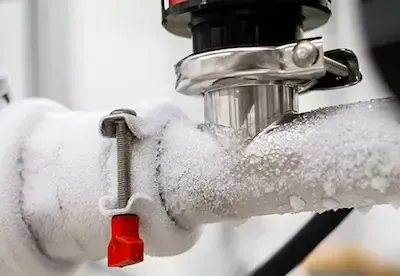
When temperatures drop below freezing in Pickerington, your home's plumbing becomes vulnerable to ice formation that can cause thousands of dollars in damage. Frozen pipes don't just stop water flow – they expand and burst, flooding your basement, crawl space, or walls with water that destroys flooring, drywall, and personal belongings.
Central Ohio's winter weather patterns bring sudden temperature swings that catch homeowners off guard. A mild January day can plummet to single digits overnight, leaving insufficient time for gradual pipe preparation. Understanding which preventive steps work best in our local climate helps you avoid emergency situations when professional help may be hours away due to high demand.
Immediate Cold Snap Protection Steps
When weather forecasts predict temperatures below 32 degrees Fahrenheit for more than four consecutive hours, begin protective measures immediately. Turn on faucets throughout your home to create a steady drip – moving water resists freezing even in extreme cold. Focus on faucets connected to exterior walls, unheated areas, or pipes that have frozen previously.
Open cabinet doors under kitchen and bathroom sinks to allow warm indoor air to circulate around pipes. This simple step raises the temperature in enclosed spaces by 10-15 degrees, often preventing ice formation in vulnerable areas. Remove cleaning supplies or other items that might block airflow from reaching the pipes.
Disconnect and drain all outdoor garden hoses, even if you completed this task earlier in the season. Water trapped in hose connections can freeze and back up into your home's plumbing system. Apply insulated covers to outdoor spigots and hose bibs, ensuring the cover extends over the entire fixture.
Vulnerable Pipe Locations in Pickerington Homes
Homes in established Pickerington neighborhoods like Sycamore Creek and Windmiller often feature basement plumbing that runs along exterior foundation walls. These pipes lose heat quickly when outdoor temperatures drop, especially in older homes with minimal insulation around the foundation perimeter.
Crawl space pipes present the highest risk during cold snaps because these areas lack heating and often have poor insulation. Check that crawl space vents remain closed during winter months – while summer ventilation prevents moisture problems, winter ventilation invites freezing air directly onto your plumbing.
Garage-mounted water heaters and washing machine connections freeze frequently because garages receive no heating. If your Frozen Pipe Repair needs involve garage plumbing, consider adding a small space heater during extreme weather warnings.
Second-story bathrooms in colonial-style homes common throughout Pickerington may have pipes running through exterior walls with insufficient insulation. These locations freeze when wind chill factors create temperatures significantly below the actual air temperature reading.
Long-Term Winter Preparation Methods
Install pipe insulation on all exposed plumbing in unheated areas before winter weather arrives. Foam pipe sleeves cost less than ten dollars per room but prevent hundreds of dollars in potential damage. Focus on pipes in basements, crawl spaces, attics, and garages where ambient temperatures approach outdoor conditions.
Seal air leaks around pipes that penetrate exterior walls using caulk or expanding foam. Cold air infiltration through these gaps can freeze pipes even when the surrounding area stays above freezing. Check basement rim joists, utility entry points, and areas where pipes pass through foundation walls.
Consider installing freeze alarms in vulnerable areas that send smartphone notifications when temperatures approach dangerous levels. These battery-powered devices provide early warning before pipes actually freeze, giving you time to implement protective measures or increase heating in specific areas.
Maintain consistent indoor temperatures above 55 degrees Fahrenheit even when away from home. Lowering thermostats to save energy during vacation periods may result in repair costs that far exceed any heating bill savings.
Emergency Temperature Monitoring
Monitor weather forecasts specifically for wind chill readings rather than just air temperature. Pickerington's open landscape allows wind to create conditions that freeze pipes even when thermometers show temperatures slightly above 32 degrees.
Check basement and crawl space temperatures separately from main living areas using inexpensive digital thermometers. These spaces often run 15-20 degrees colder than heated areas, meaning pipes can freeze even when your home feels comfortable.
Set phone alarms to check vulnerable areas during overnight hours when temperatures typically reach their lowest point. A quick walk through basement and garage areas at 2 AM can identify problems before they become major emergencies.
Professional Prevention Recommendations
Schedule annual plumbing inspections before winter weather begins to identify vulnerable pipes and inadequate insulation. Professional plumbers recognize risk factors that homeowners often miss, such as pipes positioned too close to exterior walls or inadequate insulation around pipe penetrations.
Consider installing pipe heating cables in chronic problem areas identified through previous freezing incidents. These thermostatically controlled cables activate automatically when temperatures approach freezing, providing targeted protection for specific vulnerable sections.
Upgrade old plumbing in unheated areas to PEX tubing, which expands without bursting when frozen. While this doesn't prevent freezing, it eliminates the catastrophic damage that occurs when rigid copper or PVC pipes burst under ice pressure.
For comprehensive information about identifying and addressing frozen pipe damage, consult our frozen pipe repair primer that covers recognition, immediate response, and professional repair options.
Local Pickerington Winter Considerations
Pickerington's municipal water system maintains consistent pressure that helps prevent freezing in main distribution lines, but service lines to individual homes remain vulnerable. Pay special attention to areas where your water service enters the home, typically near the water meter location.
Power outages during ice storms compound freezing risks by eliminating heating sources and water circulation pumps. Keep portable heaters and battery-powered fans available to maintain air circulation around vulnerable pipes during extended outages.
New construction in developing areas like Wyndham Village often features improved insulation standards, but pipes in mechanical rooms and basements still require attention during extreme cold snaps that exceed design temperature specifications.
Cost-Effective Prevention Strategies
Preventing frozen pipes costs significantly less than repairing burst pipe damage, which averages $2,000-$4,000 for cleanup and repairs in Central Ohio homes. Simple prevention materials like pipe insulation, faucet covers, and space heaters represent minimal investment compared to potential repair expenses.
Focus prevention efforts on historically problematic areas rather than trying to protect every pipe in your home. Most freeze incidents occur in the same vulnerable locations year after year, making targeted protection more effective than comprehensive measures.
Coordinate with neighbors in older Pickerington subdivisions to share information about effective prevention techniques and local contractor recommendations. Community knowledge helps identify area-specific risks and proven solutions for common neighborhood plumbing configurations.
