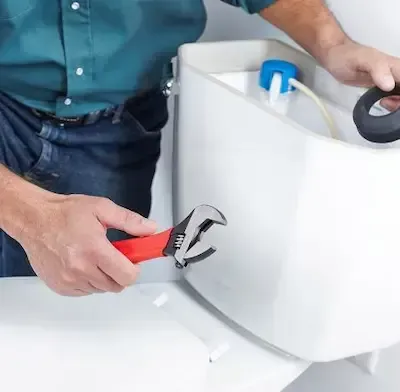
Running Toilet Repair in Pickerington: DIY or Call?
When a Toilet Runs Nonstop in Pickerington
A toilet that keeps running after you flush is more than an annoyance — it's a slow drain on your water bill. In Pickerington, OH, where hard water from the region's groundwater supply can accelerate wear on tank components, that constant hiss or trickle often shows up sooner than homeowners expect. The good news is that many running toilets have simple causes you can address yourself with basic tools and a part from a local hardware store. The challenge is knowing when what looks like a simple fix is actually a symptom of something more serious inside the tank.
Why Toilets Run Continuously
Understanding the cause before you reach for tools saves time and money. Most running toilets trace back to one of three components:
- Flapper: The rubber seal at the bottom of the tank that opens during a flush and closes to let the tank refill. When it warps, cracks, or accumulates mineral buildup, water leaks continuously into the bowl.
- Fill valve: Controls the flow of water into the tank after a flush. A worn or misadjusted fill valve may allow water to overfill the tank until it spills into the overflow tube.
- Float: Either a ball float or a cup float attached to the fill valve. If the float sits too high or is waterlogged, it signals the fill valve to keep running indefinitely.
You can often diagnose which component is failing before touching anything. Drop a few drops of food coloring into the tank without flushing. Wait ten minutes. If color appears in the bowl, your flapper is leaking. If you hear water running but the bowl stays clear, the problem is more likely the fill valve or float.
DIY Flapper Replacement: What to Expect
Replacing a flapper is one of the most beginner-friendly plumbing tasks a homeowner can tackle. You'll need about 20 minutes, a new flapper (match the brand when possible — Kohler, American Standard, and Mansfield all use slightly different styles), and dry hands. For Toilet Repair jobs that don't require a plumber, a flapper swap is usually the first place to start.
- Shut off the supply valve behind the toilet, usually a small oval handle near the floor.
- Flush to empty the tank.
- Unhook the flapper ears from the overflow tube posts and disconnect the chain from the flush handle arm.
- Attach the new flapper, reconnect the chain with about a half-inch of slack, and restore water supply.
- Test the flush two or three times and recheck for running.
A flapper costs between $5 and $15 at most hardware stores. If you're in the Pickerington area, Ace Hardware on Hill Road or the Lowe's on Tussing Road carry universal and brand-specific options.
Adjusting or Replacing the Fill Valve
If a new flapper doesn't stop the running, the fill valve is the next suspect. Start by lifting the tank lid and watching what happens after a flush. If water rises past the top of the overflow tube and spills in, the float needs adjustment.
On a ball-float assembly, gently bend the float arm downward so the float shuts off water about an inch below the top of the overflow tube. On a cup-float fill valve, pinch the adjustment clip on the side of the valve and slide it down to lower the shutoff point. Check the water level again after the next flush.
If adjusting the float doesn't help, or if the fill valve itself is visibly cracked, corroded, or simply old, replacing the entire valve assembly is the next step. Fluidmaster 400A is a widely compatible aftermarket option that installs in under 30 minutes with basic hand tools. Turn off the supply, flush and bail any remaining water, disconnect the supply line, unscrew the locknut under the tank, and swap in the new valve according to the package instructions.
When DIY Isn't Enough
Most running toilet repairs in Pickerington homes can be resolved with the steps above. But there are situations where calling a licensed plumber is the smarter move:
- Cracks in the tank: If you notice hairline cracks in the porcelain tank, no amount of valve or flapper replacement will solve the underlying problem. A cracked tank needs evaluation and likely full replacement.
- Repeated failures: If you've replaced the flapper twice in the past year and it keeps failing, there may be a flush valve seat issue — the surface the flapper seals against may be pitted or corroded, requiring seat replacement or a full flush valve assembly swap.
- Supply line corrosion: Older Pickerington homes, particularly those built in the 1970s and 1980s with original plumbing fixtures, sometimes have corroded shutoff valves that break when you try to close them. If the shutoff valve won't budge or begins to leak when you try to turn it, stop and call a professional before the situation escalates.
- Multiple toilets running simultaneously: This is rarely a coincidence. If more than one toilet in your home is behaving erratically at the same time, the issue may be upstream — a pressure problem or shared plumbing issue that needs professional diagnosis.
You can read more background on what to expect from a professional call in our Pickerington toilet repair overview, which walks through common repair scenarios and typical service timelines.
Water Waste and Cost to Act
A running toilet in Pickerington can waste 200 gallons of water per day or more depending on how fast the leak progresses. At Central Ohio water rates, that translates to a meaningful spike in your monthly utility bill — often $30 to $60 per month for a continuously running toilet. A $10 flapper and 20 minutes of your time pays for itself almost immediately. Even a professional repair averaging $100 to $250 for a fill valve and labor in the Pickerington area is recovered quickly against ongoing waste.
Getting the Diagnosis Right First
The most common mistake homeowners make is replacing parts without diagnosing the actual cause. Swapping a flapper when the fill valve is the culprit, or replacing both when the real problem is a cracked flush valve seat, costs you time and money without solving anything. Use the food coloring test, watch the tank behavior after a flush, and match the repair to the actual failure point. If the toilet keeps running after two targeted repair attempts, that's the signal to stop guessing and bring in a plumber who can assess the full assembly and give you a definitive answer.
