Sewer Backup Repair Pickerington OH: Two-County Action
Understanding Sewer Backup Emergencies in Pickerington
When you experience a sewer backup in Pickerington, you're dealing with one of the most disruptive plumbing emergencies that can affect your property. Raw sewage backing up into your basement, crawl space, or ground-level drains creates immediate health hazards and property damage that requires swift professional intervention. The unique geography of Pickerington, spanning both Fairfield and Franklin counties, means different municipal sewer systems and regulations may apply depending on your exact location.
Sewer backups typically manifest as gurgling sounds from multiple drains, sewage odors throughout your home, water backing up in basement floor drains, or actual sewage overflow in lower-level areas. These situations demand immediate attention because contaminated water poses serious health risks to your family and can cause extensive structural damage to your foundation, flooring, and personal belongings.
The complexity of sewer systems in the Pickerington area stems from the community's position straddling county lines, with some properties connected to Fairfield County Regional Planning Commission systems while others tie into Franklin County Metropolitan Sewer District infrastructure. Understanding which system serves your property becomes crucial when coordinating repairs and determining responsibility for mainline issues.
Identifying the Source of Your Sewer Backup
Before any repair work begins, technicians must determine whether your backup originates from a private lateral line problem or a municipal mainline issue. Private lateral lines run from your home to the connection point with the city sewer system, typically at your property line or under the street. These lines remain your responsibility as the property owner, while the municipal system beyond that connection point falls under city jurisdiction.
Diagnosis involves camera inspection of your sewer lateral to identify blockages, breaks, root intrusion, or pipe collapse. In Pickerington's established neighborhoods, many properties still have original clay tile or cast iron sewer lines installed decades ago. These materials are particularly susceptible to root intrusion from mature trees and deterioration over time.
Tree roots represent one of the most common causes of sewer backups in residential areas throughout Pickerington. Roots seek moisture and nutrients, making sewer lines attractive targets. Once roots penetrate pipe joints or small cracks, they expand and create significant blockages that trap debris and cause backups during heavy water usage periods.
Grease accumulation also contributes to many backup situations, especially in kitchen drain lines that connect to the main sewer lateral. Over time, cooking fats and oils solidify and combine with other debris to create stubborn blockages that resist simple snaking attempts and require professional intervention.
Municipal System Considerations Across County Lines
Properties in the Fairfield County portion of Pickerington typically connect to systems managed by the Fairfield County Regional Planning Commission, while Franklin County properties connect to infrastructure overseen by the Franklin County Metropolitan Sewer District. Each system has different protocols for reporting backups, different response times, and different policies regarding financial responsibility when mainline problems cause private property damage.
When your backup investigation reveals a municipal mainline problem, the repair approach changes significantly. Municipal crews handle mainline blockages and repairs, but coordination with your private plumber remains necessary to address any damage to your lateral connection and restore service to your property. The timing of these repairs requires careful coordination to prevent additional backups during the restoration process.
Some areas of Pickerington still rely on septic systems rather than municipal sewer connections, particularly in more rural sections or older developments that predate sewer expansion. Septic backup situations require entirely different diagnostic and repair approaches, focusing on drain field problems, tank capacity issues, or distribution box failures.
Understanding your connection type becomes essential when emergency situations arise. Municipal sewer customers can contact their respective county systems for mainline issues, while septic system owners must rely entirely on private service providers for all aspects of backup diagnosis and repair.
Emergency Response and Mitigation Strategies
Immediate response to sewer backups focuses on safety and damage limitation rather than permanent repairs. Professional teams arrive equipped with extraction equipment to remove standing sewage water, industrial fans for drying, and antimicrobial treatments to address contamination concerns. Personal protective equipment is mandatory for anyone entering affected areas due to exposure risks from harmful bacteria and viruses present in raw sewage.
Temporary bypass pumping may be necessary when complete blockages prevent any drainage from your property. Portable pumps connect to accessible cleanouts or floor drains to redirect wastewater away from your home while permanent repairs proceed. This approach allows continued water usage for essential needs while preventing additional backup situations.
Documentation becomes crucial during emergency response, both for insurance claims and potential municipal liability situations. Professional restoration teams photograph damage extent, measure affected areas, and catalog damaged belongings before beginning cleanup procedures. This documentation proves invaluable when working with insurance adjusters or pursuing claims against municipal systems for mainline-related damages.
The health department may require specific cleanup procedures and clearance testing before affected areas can be safely reoccupied. These requirements vary between Fairfield and Franklin counties, making local knowledge essential for proper compliance and avoiding potential legal complications.
Repair Methods and Technology Solutions
Modern sewer line repair employs various techniques depending on the specific problem identified during diagnostic procedures. Traditional excavation remains necessary for major breaks, collapsed sections, or situations requiring complete pipe replacement, but trenchless repair methods offer less invasive alternatives for many common issues.
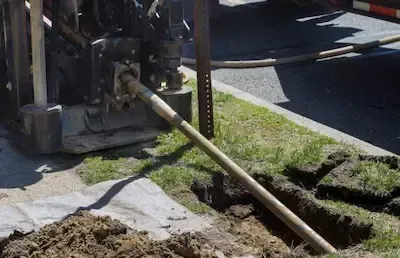
Pipe bursting technology allows replacement of deteriorated sewer laterals without extensive excavation. A new pipe is pulled through the existing line, breaking apart the old material and immediately replacing it. This method works well for properties with mature landscaping or hardscaping that would be expensive to restore after traditional excavation.
Cured-in-place pipe (CIPP) lining provides another trenchless option for structurally sound pipes with minor cracks or joint problems. A resin-saturated liner is inserted into the existing pipe and cured to create a new pipe within the old one. This approach extends the life of aging infrastructure while addressing root intrusion and minor leak issues.
Hydro jetting removes stubborn blockages and root masses that resist conventional snaking attempts. High-pressure water streams cut through accumulated debris and scour pipe walls clean. Sewer Backup Repair professionals use this technique both as a cleaning method and to prepare pipes for lining procedures.
Video inspection technology allows precise identification of problem areas before repair work begins and verification of successful repairs upon completion. Modern camera systems provide high-resolution imagery and accurate location data, enabling targeted repairs that address specific issues without unnecessary excavation or pipe replacement.
Preventing Future Backup Situations
Preventive maintenance significantly reduces the likelihood of future sewer backups and extends the life of your lateral connection. Regular professional cleaning removes accumulating debris before it creates complete blockages. Tree root cutting services address root intrusion before it becomes severe enough to cause backups.
Proper waste disposal practices help prevent grease and debris accumulation in your sewer lateral. Avoid flushing non-biodegradable items, limit grease disposal through kitchen drains, and use enzyme treatments to break down organic matter in your pipes. These simple practices reduce stress on aging infrastructure and minimize backup risks.
Backwater valve installation provides mechanical protection against municipal system backups that could affect your property. These devices allow normal drainage from your home while preventing reverse flow during municipal system overload situations. Installation requires permits in most areas and should be performed by licensed professionals familiar with local codes.
Regular inspection schedules help identify developing problems before they create emergency situations. Annual camera inspections reveal developing cracks, increasing root intrusion, or pipe deterioration that warrant attention. Early intervention costs significantly less than emergency repairs and prevents the disruption and damage associated with backup situations.
Insurance and Liability Considerations
Homeowner's insurance coverage for sewer backup damage varies significantly between policies and insurance providers. Standard policies often exclude sewer backup coverage unless specifically added as an endorsement. Review your policy terms carefully and consider adding this coverage given the potential for extensive damage from backup situations.
Municipal liability for backup damage depends on demonstrating that the municipal system caused your backup through negligence or system failure. This requires professional documentation of the cause and coordination between your insurance company and municipal representatives. The process can be lengthy and requires persistence to achieve satisfactory resolution.
When backups result from private lateral problems, responsibility clearly falls on the property owner. However, when municipal mainline issues contribute to or cause backups, liability questions become more complex. Professional restoration companies familiar with local systems can provide valuable guidance during these situations.
Some municipalities offer financial assistance programs for private lateral repairs or replacement, particularly when aging infrastructure creates widespread problems. Check with your local water and sewer department about available programs that might offset repair costs for qualifying situations.
Long-term Infrastructure Planning
Pickerington's continued growth places increasing demands on both municipal sewer systems and private laterals throughout the community. Properties with aging infrastructure should consider proactive replacement rather than waiting for emergency situations. Modern materials like PVC or HDPE provide decades of reliable service and resist common problems like root intrusion and corrosion.
Coordination with municipal improvement projects can reduce costs for private lateral repairs. When cities plan street reconstruction or sewer mainline upgrades, property owners can often coordinate private repairs during the same construction period, reducing excavation costs and street restoration requirements.
Understanding the long-term plans for municipal system improvements helps property owners make informed decisions about their private infrastructure investments. Some areas may see municipal improvements that reduce backup risks, while others may require increased private system reliability as development continues.
For situations involving multiple plumbing emergencies, such as combined sewer and water line issues, our burst pipe repair guidance provides comprehensive information about coordinating various types of emergency plumbing repairs to minimize disruption and costs.
Professional assessment of your property's specific risks and infrastructure condition enables informed decision-making about repairs, upgrades, and preventive measures. Working with experienced professionals familiar with Pickerington's unique two-county infrastructure ensures appropriate solutions that address both immediate needs and long-term reliability requirements.
