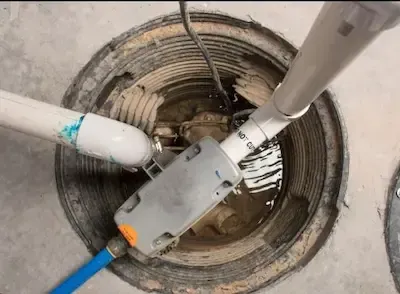
Sump Pump Failure in SR-256 Corridor New Construction
The SR-256 corridor in Pickerington has experienced unprecedented residential development over the past five years, with hundreds of new homes constructed along this major thoroughfare. Unfortunately, many homeowners in these newer developments are discovering that their builder-grade sump pumps are failing during the first significant spring storms, leaving basements vulnerable to flooding and water damage.
Builder-Grade Sump Pump Limitations in New Construction
Most builders along the SR-256 corridor install the minimum required sump pump systems to meet local building codes. These entry-level pumps typically feature 1/3 horsepower motors and basic float switches that may seem adequate during dry conditions but prove insufficient when faced with Pickerington's challenging spring weather patterns.
The problem becomes evident when you consider that many of these new subdivisions were built on previously undeveloped farmland with different drainage characteristics than established neighborhoods. The soil composition and water table dynamics in these areas can create unexpected challenges for standard sump pump installations.
Builder-grade pumps often lack the capacity to handle the volume of water that accumulates during heavy spring rains combined with snowmelt. When groundwater levels rise rapidly, these pumps may run continuously, leading to premature motor failure or inadequate drainage that results in basement flooding.
Soil and Drainage Challenges Along SR-256
The geological conditions along the SR-256 corridor present unique challenges for basement waterproofing systems. Much of this area features clay-heavy soil that doesn't drain efficiently, causing water to pool around foundation walls during wet periods.
New construction sites often experience settling issues during the first few years, which can affect the performance of drainage systems including sump pump installations. As the soil around foundations settles, the original grading may change, directing more water toward basement areas than originally anticipated.
Additionally, the rapid development in this corridor means that natural drainage patterns have been altered by construction activities. Water that previously flowed across open farmland now encounters neighborhoods, streets, and storm drainage systems that may not adequately handle peak volumes during severe weather events.
For comprehensive solutions to these drainage issues, consider professional Sump Pump Repair services that can evaluate and upgrade your system to meet the specific challenges of your location.
Common Failure Patterns in Newer Homes
Homeowners in SR-256 corridor developments typically experience sump pump failures following a predictable pattern. The first indication is often unusual cycling behavior, where the pump runs more frequently than normal or fails to shut off completely after removing water from the pit.
Float switch malfunctions represent another common failure mode in builder-grade systems. Cheap plastic float mechanisms can stick in the up position, preventing the pump from activating when water levels rise, or become stuck in the down position, causing the pump to run continuously even when the pit is empty.
Motor overheating frequently occurs when pumps are undersized for the actual water volume they encounter. During extended periods of heavy rain, these pumps work beyond their designed capacity, leading to thermal overload and complete system failure at the worst possible moment.
Discharge pipe freezing during winter months also causes significant problems. Many builder installations feature inadequate insulation or improper routing of discharge lines, resulting in ice blockages that prevent proper drainage and can damage pump components.
Early Warning Signs to Monitor
Recognizing early warning signs can help prevent complete system failure. Unusual noises during pump operation, including grinding, rattling, or excessive vibration, often indicate mechanical problems that require immediate attention.
Visible rust or corrosion around the pump housing suggests moisture exposure beyond normal operating conditions. This typically occurs when pumps are installed incorrectly or when basement humidity levels remain consistently high due to inadequate drainage.
Inconsistent water removal, where the pump runs but water levels in the pit don't decrease appropriately, points to impeller damage or blockages in the discharge system that compromise pump efficiency.
Local Weather Patterns and Pump Performance
Pickerington's spring weather patterns create particularly challenging conditions for sump pump systems. The combination of rapid snowmelt and heavy rainfall can overwhelm drainage systems that appeared adequate during drier periods.
The timing of spring storms often coincides with saturated ground conditions, meaning that water has fewer places to go naturally. This forces more water into foundation drainage systems and increases the workload on sump pumps beyond their designed capacity.
Climate data for the Pickerington area shows increasing frequency of extreme precipitation events, making it even more important for homeowners to ensure their sump pump systems can handle peak volumes rather than just average conditions.
To better understand the repair process and available upgrades, review our sump pump repair walkthrough which details the steps involved in properly assessing and fixing common pump problems.
Upgrade Considerations for SR-256 Homes
Homeowners in newer SR-256 corridor developments should consider upgrading their sump pump systems before experiencing failures. Higher horsepower pumps with cast iron construction offer greater durability and capacity than standard builder-grade units.
Battery backup systems provide essential protection during power outages, which frequently accompany severe storms. These systems ensure continuous operation even when electrical service is interrupted, preventing basement flooding during extended outages.
Professional installation of secondary pumps creates redundancy that protects against single-point failures. When one pump cannot handle peak volumes or experiences mechanical problems, a backup system maintains protection until repairs can be completed.
Improved float switch technology, including electronic controls and multiple activation points, provides more reliable operation than basic mechanical switches typically installed by builders.
Professional Assessment and Maintenance
Regular professional evaluation of sump pump systems helps identify potential problems before they result in basement flooding. Qualified technicians can assess pump capacity, check electrical connections, test float switches, and inspect discharge systems for proper operation.
Preventive maintenance should include annual cleaning of the sump pit, testing of all system components, and verification that discharge lines remain clear and properly routed. This proactive approach significantly reduces the likelihood of unexpected failures during critical periods.
Professional technicians can also evaluate whether existing systems meet the actual drainage demands of specific properties, taking into account local soil conditions, groundwater levels, and recent changes in neighborhood development patterns that may affect water flow.
Long-term Protection Strategies
Protecting your SR-256 corridor home from sump pump failure requires a comprehensive approach that goes beyond simply replacing failed components. Understanding the unique challenges of your location and implementing appropriate solutions ensures reliable basement protection for years to come.
Investment in quality equipment and professional installation pays dividends through reduced maintenance costs and avoided water damage. The expense of upgrading a sump pump system is minimal compared to the cost of repairing flood damage and replacing belongings affected by basement water intrusion.
Working with experienced local professionals who understand the specific challenges of Pickerington's geology and weather patterns ensures that your sump pump system is properly designed and installed to handle the conditions it will actually encounter, not just minimum code requirements.
