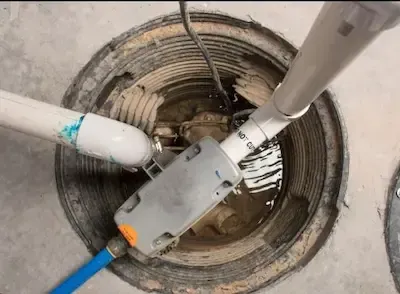
Sump Pump Repair Pickerington OH: Stop Basement Floods
When your basement starts taking on water during heavy rains or spring snowmelt, your sump pump becomes the most critical piece of equipment in your home. In Pickerington, where properties across Fairfield and Franklin Counties deal with varying soil conditions and seasonal water challenges, a functioning sump pump system stands between you and potentially thousands of dollars in flood damage.
Your sump pump works around the clock during wet periods, automatically detecting rising groundwater levels and pumping excess water away from your foundation. But like any mechanical system, pumps wear out, float switches fail, and backup systems need maintenance. Understanding when to repair versus replace your system, what warning signs to watch for, and how to maintain peak performance can save you from emergency flooding situations.
Common Sump Pump Problems in Pickerington Homes
Sump pump failures rarely happen without warning signs. The most frequent issue homeowners encounter is a stuck or damaged float switch. This component triggers the pump motor when water levels rise, but debris, mineral buildup, or mechanical wear can prevent proper operation. You might notice the pump running continuously or failing to activate when water accumulates in the pit.
Motor problems present another major category of failures. Overworked pumps in areas with high water tables can burn out from excessive cycling, while pumps that sit idle for extended periods may seize up when called into service. Strange noises, irregular cycling patterns, or complete motor failure all indicate the need for professional Sump Pump Repair attention.
Discharge pipe issues create additional complications. Frozen discharge lines during winter months can cause dangerous backpressure, while clogged or damaged pipes prevent proper water removal. Many Pickerington properties also deal with inadequate discharge placement, where pumped water flows back toward the foundation instead of safely away from the structure.
Power-related problems affect both primary pumps and backup systems. Electrical connections can corrode in the humid basement environment, GFCI outlets may trip frequently, and backup battery systems often fail when needed most. Testing your backup power source regularly prevents unpleasant surprises during storm events.
Diagnosing Float Switch and Control Issues
Float switch problems account for roughly sixty percent of sump pump service calls in the Pickerington area. The switch mechanism relies on free movement to detect water level changes, but several factors can interfere with proper operation. Debris accumulation around the float prevents smooth movement, while mineral deposits from hard groundwater can cause mechanical binding.
Tethered float switches face additional challenges. The cord can become tangled around the pump housing or caught on pit walls, preventing the float from reaching its trigger position. Some installations feature floats positioned too close to pit walls, limiting their range of motion and creating dead zones where water levels rise without activating the pump.
Testing your float switch requires careful attention to safety procedures. With power disconnected, manually lift the float to verify smooth movement throughout its range. Check for cracks in the float housing that might allow water infiltration, and examine the switch mechanism for visible corrosion or damage. Professional technicians use multimeters to test electrical continuity and verify proper switch operation under various conditions.
Vertical float switches offer improved reliability in many installations, particularly where space constraints limit tethered float movement. These switches mount directly to the pump housing and activate based on water pressure rather than mechanical float position, reducing maintenance requirements and improving long-term reliability.
Motor Repair and Replacement Considerations
Sump pump motors endure harsh operating conditions that accelerate wear and failure. Submersible units face constant moisture exposure, while pedestal pumps deal with humidity and temperature fluctuations in basement environments. Recognizing motor problems early allows for cost-effective repairs rather than emergency replacements.
Unusual operating sounds often indicate developing motor issues. Grinding noises suggest bearing wear or internal component damage, while humming without pump activation typically indicates seized motor components. Intermittent operation patterns, where the pump starts and stops erratically, may signal overheating protection activation or electrical connection problems.
Motor amperage testing provides definitive diagnosis of pump condition. Professional technicians measure current draw during startup and operation, comparing readings to manufacturer specifications. Excessive amperage indicates mechanical binding or component wear, while low readings suggest electrical problems or reduced motor efficiency.
Replacement decisions depend on several factors including motor age, repair costs, and overall system condition. Motors over ten years old often benefit from complete replacement rather than extensive repairs, particularly when considering improved efficiency and reliability of newer units. Energy-efficient models can reduce operating costs while providing enhanced performance during heavy demand periods.
Backup System Installation and Maintenance
Power outages during severe storms create the worst possible scenario for basement flooding. When electric service fails just as groundwater levels peak, homes without backup pumping capability face almost certain water damage. Battery backup systems and water-powered pumps provide essential protection during these critical periods.
Battery backup sump pumps operate independently of household electrical service, using deep-cycle marine batteries to power DC pump motors. These systems automatically activate when primary pump failure occurs or power outages disable the main unit. Proper installation requires dedicated battery charging systems, alarm notifications, and regular maintenance schedules to ensure reliability.
Water-powered backup pumps use municipal water pressure to create suction through venturi action. These systems require no electricity or batteries, operating continuously as long as water service remains available. Installation involves connecting the unit to your home's water supply and configuring discharge piping to handle both pumped groundwater and driving water flow.
Regular backup system testing prevents surprise failures during emergencies. Battery systems need monthly testing to verify charge levels and pump operation, while annual battery replacement ensures maximum runtime during extended outages. Water-powered systems require periodic valve adjustments and pipe inspections to maintain optimal suction performance.
Discharge Pipe Problems and Solutions
Proper discharge pipe configuration ensures pumped water flows safely away from your foundation without creating additional problems. Many Pickerington installations feature inadequate discharge routing that allows water to return to the foundation area, defeating the pump's protective purpose.
Frozen discharge pipes present serious winter hazards throughout central Ohio. When pipes freeze solid, continued pump operation creates dangerous pressure buildup that can damage the pump motor or rupture piping connections. Installing freeze-resistant discharge configurations prevents these problems while maintaining system operation during cold weather.
Discharge pipe sizing affects pump performance and longevity. Undersized pipes create excessive back-pressure that reduces flow rates and increases motor workload. Most residential installations require minimum two-inch pipe diameter, with larger sizes beneficial for high-capacity pumps or long discharge runs.
Check valve installation prevents discharged water from flowing back into the sump pit when the pump cycles off. Quality check valves feature spring-loaded designs that close quickly and seal tightly, while inferior valves may stick open or allow significant backflow. Regular check valve maintenance prevents pump short-cycling and reduces energy consumption.
Seasonal Maintenance and Storm Preparation
Proactive sump pump maintenance prevents most emergency failures and extends system lifespan significantly. Seasonal maintenance schedules align with local weather patterns, addressing specific challenges before they impact system performance.
Spring preparation involves comprehensive system testing after winter dormancy periods. Remove any ice or debris accumulation from discharge pipes, test float switch operation, and verify backup system functionality. Many pumps that sat idle during dry winter months need priming or minor adjustments before heavy spring rains arrive.
Summer maintenance focuses on high-demand performance optimization. Clean debris from the sump pit, check discharge pipe routing for proper drainage, and test the system under various water level conditions. Battery backup systems need particular attention during hot weather, as elevated temperatures reduce battery capacity and lifespan.
Fall preparation addresses winter readiness concerns specific to the Pickerington climate. Install freeze-resistant discharge pipe configurations, clean leaves and debris from outdoor discharge areas, and verify heating system operation in basement spaces where pumps are located. For insight into winter plumbing challenges, reference our frozen pipe repair primer for comprehensive cold-weather protection strategies.
Pre-storm testing becomes crucial when weather forecasts predict heavy rainfall or rapid snowmelt conditions. Run complete system tests including float switch operation, discharge pipe flow, and backup system activation. Stock emergency supplies including portable pumps, extension cords, and basic repair materials.
Professional Repair vs DIY Approaches
Determining when to attempt repairs yourself versus calling professional technicians requires honest assessment of your skills, available tools, and safety considerations. Electrical work around water presents serious hazards that inexperienced homeowners should avoid, while mechanical repairs often require specialized tools and replacement parts.
Simple maintenance tasks like pit cleaning, float adjustment, and discharge pipe inspection fall within most homeowner capabilities. These preventive measures require basic tools and safety precautions but don't involve complex electrical or mechanical systems. Regular DIY maintenance can prevent many common problems and extend periods between professional service calls.
Motor replacement, electrical repairs, and backup system installation typically require professional expertise. Licensed technicians possess the training, tools, and experience to diagnose complex problems accurately and implement lasting solutions. Professional installations also include warranty coverage and code compliance verification.
Emergency repairs during active flooding situations always warrant professional response. Attempting electrical work in wet conditions presents extreme safety hazards, while improper emergency repairs can worsen flooding damage. Professional emergency services have specialized equipment and safety protocols for working in hazardous conditions.
Cost Factors and System Upgrades
Sump pump repair costs vary significantly based on problem complexity, parts availability, and labor requirements. Simple float switch replacements might cost under two hundred dollars, while complete motor replacement can approach a thousand dollars depending on pump type and installation challenges.
System upgrade considerations often arise during repair evaluations. Older pumps may lack capacity for current drainage demands, particularly in areas where development has altered local water flow patterns. Upgrading to higher-capacity pumps or dual-pump configurations provides enhanced protection against extreme weather events.
Energy efficiency improvements offer long-term value through reduced operating costs. Modern pump motors feature improved efficiency ratings and variable speed operation that adapts to actual demand conditions. Smart monitoring systems provide remote alerts and performance tracking through smartphone applications.
Insurance considerations affect repair versus replacement decisions. Many policies require proper maintenance documentation to honor water damage claims, making professional service records valuable protection. Some insurance providers offer discounts for homes with monitored backup systems or enhanced flood protection measures.
Long-Term System Reliability
Maximizing sump pump system reliability requires understanding your specific installation challenges and implementing appropriate solutions. Properties in different areas of Pickerington face varying groundwater conditions, soil types, and drainage challenges that affect pump performance requirements.
System monitoring technology provides early warning of developing problems before they cause failures. Flow sensors detect reduced pumping capacity, while cycle counters track pump operation frequency to identify unusual patterns. Advanced monitoring systems send smartphone alerts for power outages, high water levels, or system malfunctions.
Regular professional inspections catch problems during their early stages when repairs remain cost-effective. Annual service calls include comprehensive system testing, component cleaning, and performance optimization that extends equipment lifespan. Professional technicians can identify subtle changes in system performance that indicate developing problems.
Documentation of all maintenance, repairs, and upgrades creates valuable records for warranty claims, insurance purposes, and future service needs. Detailed service history helps technicians diagnose recurring problems and implement permanent solutions rather than temporary fixes.
Investing in quality sump pump repair and maintenance protects your Pickerington home from basement flooding while maximizing system reliability and lifespan. Professional evaluation of your specific situation ensures appropriate solutions that address local challenges and provide lasting protection against water damage.
