Sump Pump Battery Backup Setup in Pickerington Ohio
Pickerington sits in a low-lying corridor where heavy spring and summer storms can push several inches of rain into the ground within hours. When that happens, power outages and peak groundwater pressure arrive at the same time — exactly when your primary sump pump is under the most demand. A battery backup system is the answer to that overlap, and understanding how these setups work helps you make a smarter decision before you're standing in two inches of water at midnight.
What a Battery Backup System Actually Does
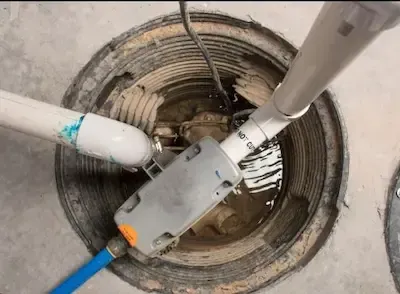
A battery backup sump pump is a second pump installed in or near the same pit as your primary unit. It runs on a dedicated 12-volt deep-cycle battery and activates automatically when your main pump loses power, fails mechanically, or gets overwhelmed by incoming water volume. The float switch on the backup unit sits slightly higher than the primary float, so the backup only kicks in when it's needed. It won't compete with your main pump under normal conditions — it waits for a failure scenario and steps in immediately.
Some homeowners in Pickerington assume a whole-home generator covers this need. A generator does help, but startup delays of a few seconds during a power surge can let water rise faster than most people expect. A battery backup responds instantly because it requires no startup sequence. It's always primed and ready.
How Long Battery Backups Run During an Outage
Runtime depends on three factors: the capacity of the battery, the cycle rate of your pump, and how aggressively groundwater is entering the pit. A standard 12-volt, 75-amp-hour battery paired with a quality backup pump can typically move between 1,000 and 2,000 gallons per hour and sustain that output for roughly 5 to 10 hours under moderate pumping conditions. In high-inflow situations — common during the storms that track through Fairfield County each spring — that runtime can drop to 3 to 4 hours.
This is why battery capacity matters. Some budget backup systems use smaller batteries rated under 50 amp-hours. During a sustained power outage following a major storm, those smaller batteries may not carry you through the night. When selecting a system for Pickerington conditions, look for batteries rated at 75 amp-hours or higher, and verify the pump's gallons-per-hour rating at the actual lift height your discharge line creates.
Storm Patterns That Make Backup Systems Critical Here
The Columbus metro area and its eastern suburbs experience some of the most variable spring weather in Ohio. Pickerington specifically sees storms that stall over Violet Township and dump rainfall over extended periods rather than quick passing cells. Prolonged rainfall of three to five hours saturates the soil and drives up hydrostatic pressure around basement foundations. That's when primary pumps cycle continuously and heat up, increasing the chance of motor burnout — right when they should be working hardest.
Power outages during storms like these aren't uncommon. Suburban grids in outlying communities like Pickerington can lose power before crews from AEP Ohio can respond, especially when multiple neighborhoods are affected simultaneously. A battery backup that was fully charged before the storm hit buys you critical hours. For homes in areas with clay-heavy soil along Sycamore Creek drainage corridors, those hours often determine whether the basement stays dry.
Configurations That Hold Up Best
There are two general configurations worth considering. The first is a pedestal-style backup pump that sits above the pit beside your primary unit. These are easier to service and inspect, and their motors run cooler because they're not submerged. The second is a submersible backup pump installed directly inside the pit. Submersible units tend to be quieter and are less likely to be knocked loose or bumped in utility areas that double as storage space.
Either configuration should be paired with a smart monitoring panel. A good monitoring system gives you an audible and sometimes wireless alert when the backup activates, when the battery drops below a functional charge threshold, or when the primary pump fails silently. Without monitoring, you may not know your main pump has been out of service for days until the backup battery is also nearly depleted.
For homes with older primary pumps, a combination unit — which integrates both a primary AC pump and a battery backup into a single system — offers a cleaner installation and simplified maintenance. These are worth asking about when your primary pump is approaching or past the ten-year mark. For our SR-256 sump pump failure context, the combination approach was ultimately the more practical long-term choice.
Battery Maintenance and Replacement Schedules
The backup pump is only as reliable as the battery powering it. Deep-cycle batteries used in sump pump applications generally last three to five years, depending on how often the backup activates and how consistently it recharges. Batteries that sit in trickle-charge mode for long periods without full discharge cycles can develop sulfation, reducing their effective capacity significantly.
At minimum, test your backup system twice a year — once in early spring before storm season begins and again in fall. The test is straightforward: unplug the primary pump and pour water into the pit until the backup float activates. Time how long it takes to clear the pit and confirm the battery charge indicator reads full after recharging. If the battery takes more than 24 hours to return to full charge, it's likely near the end of its service life.
Many Pickerington homeowners find that a late-winter check in February aligns well with their general home maintenance schedule — just before the March and April storms that historically account for the highest call volume in this area for pump failures.
When to Call a Professional for Setup
Installing a battery backup pump involves more than dropping a unit into the pit. The discharge line must be properly routed — typically tying into the existing discharge or running a separate line out of the home — and the check valve placement has to be correct to prevent backflow between the primary and backup units. An improperly plumbed backup can actually interfere with your primary pump's operation. Sump Pump Repair services that include backup installation will assess your existing pit depth, incoming water volume, and discharge configuration before recommending a system sized to your home's actual needs.
If your basement has flooded before or sits in a low section of a Pickerington neighborhood near Brice Road or Hill Road, a professionally installed and monitored backup system isn't optional — it's the baseline. The cost of installation is a fraction of a single water remediation job, and in this area, the storms that make backup systems necessary arrive without much warning.
