
Blacklick Area Plumbing Emergencies — Subdivision Systems Under Storm Pressure
Subdivision Construction and Its Failure Timeline
Properties across the Blacklick area are predominantly products of the large-scale residential subdivision development that expanded the eastern Columbus metro through the 1980s, 1990s, and early 2000s, and the plumbing systems within those homes reflect the construction standards and builder-specification component selections that were standard practice during those build phases. The relatively uniform construction vintage across major Blacklick-area subdivisions means that system component failures — water heater tank degradation, sump pump motor wear, pressure regulator drift — tend to arrive within a similar time window across many properties in the same community. Original builder-installed water heaters that have been in service since construction are in or beyond the age range where sediment accumulation and anode rod depletion have advanced tank corrosion to the point where failure becomes imminent rather than possible. The flat terrain that characterizes much of the Blacklick area creates sump pump dependency conditions that are more demanding than in communities with topographic drainage advantages — low-lying areas near Blacklick Creek and its tributaries carry a water table that responds quickly to precipitation events, and sump pump run cycles during active storm periods can extend to continuous operation for hours at a time. Builder-specification pumps installed under those conditions and never replaced face a cumulative load history that pushes them toward motor burnout well before a property owner who has not tracked run-cycle hours might expect. The combination of uniform construction age and terrain-driven sump demand makes the Blacklick area one of the higher-frequency emergency call environments in this corridor during spring and late-fall storm periods.
Sump Dependency and Storm Event Risk
The HOA community structure that defines much of the Blacklick-area residential landscape creates a specific property context for plumbing emergencies that differs from older communities with more varied housing stock. Homes in Blacklick-area HOA subdivisions were built to similar floor plans and specifications, and their plumbing system configurations — sump pit location, water heater alcove dimensions, main shutoff position, and basement drainage rough-in details — follow predictable patterns that are consistent across the community. That predictability is an asset during emergency response: a plumber who has worked in Blacklick-area subdivisions knows where to look for the main shutoff, what size sump pit to expect, and what the original water heater configuration will be before arriving at the property. The liability side of the HOA construction profile is that builder-grade fixture and component specifications, while adequate at installation, were not selected for longevity — they were selected for cost efficiency at the time of construction. Water heaters, sump pumps, pressure regulators, and supply valve assemblies in these homes were sized and spec'd for the minimum acceptable performance level, which means they reach the end of reliable service life at the low end of the expected range. PEX supply systems in these homes have held well over their service period, but fixture connections, manifold valve assemblies, and expansion fittings that have experienced repeated thermal cycling are approaching the age range where inspection during a non-emergency visit would be worthwhile before a failure event forces the issue.
Sump Pump Failures & Basement Flooding
Sump pump emergencies are the highest-volume emergency call category in the Blacklick area during high-precipitation periods, and the conditions that drive them are well-understood given the terrain and construction profile of the community. Subdivision homes built in Blacklick-area developments through the 1990s and 2000s have original sump installations that are now well into the age range where motor efficiency, float switch reliability, and discharge line integrity should not be assumed without recent inspection. The failure mode that produces the most consequential outcomes is motor burnout under continuous run conditions — when precipitation volume keeps the pit filling faster than the pump's intermittent cycle can manage, the motor runs without the cooling breaks that normal cycling provides, and burnout can occur within three to six hours of continuous operation. Float switch failures are a separate and more common failure mode: the float mechanism can stick in the up position, preventing the pump from activating when the pit fills, or it can stick in the down position, running the pump dry until the motor overheats. Either failure produces the same outcome — a filling pit with no active pump — and the detection window is short because rising water in a sealed pit is not observable from the basement floor surface until it reaches overflow level. Discharge line freeze events during early spring cold snaps, when the pump is being called to operate during freezing overnight temperatures, represent another category: the discharge run that exits through the rim joist or basement wall can freeze at the exterior terminus, creating backpressure that either trips the pump or causes the line to fail under the pressure of water that cannot move.
Sump Pump Failures & Basement Flooding
Supply line and fixture emergencies in Blacklick-area subdivision homes tend to cluster around the component age categories that correspond to the build vintages in the community — not the supply pipe material itself, as PEX systems in these homes have generally performed well through their service period, but the fitting, valve, and connection assemblies that were installed with builder-grade specifications at the time of construction. Manifold shutoff valve assemblies are a common failure point in Blacklick-area homes as those assemblies age through their second and third decade of service: the valve seats develop wear from repeated actuation cycles, the packing around valve stems can degrade and begin to seep, and the plastic manifold bodies in some builder-spec configurations can develop hairline cracking from thermal cycling stress accumulated over years of heating season temperature swings in the utility area. Expansion fitting connections at transition points — where PEX meets the water heater, where the main supply enters the manifold, and where the system connects to outdoor hose bib assemblies — are the most likely failure locations because those connections experience the greatest differential movement from thermal expansion and contraction. A fixture supply failure in a finished Blacklick-area home can produce water in a ceiling or wall cavity that spreads laterally through the HOA-standard open-plan truss system before it becomes visible at any surface, which means the visible manifestation of the failure may significantly understate the actual extent of moisture intrusion into the building assembly.
Sump Pump Failures & Basement Flooding
Water heater and drain backup emergencies in Blacklick-area properties follow the construction-era failure patterns that characterize subdivision communities built during the same development window. Builder-specification tank water heaters installed in Blacklick-area homes during the 1990s and 2000s build phases have now accumulated enough service time that a significant percentage of original units are either in or approaching their statistical failure window — the twelve-to-fifteen-year mark where sediment accumulation, anode rod depletion, and thermal stress fatigue combine to make tank failure an increasingly likely near-term event rather than a distant possibility. A failing tank in the utility area of a two-story Blacklick-area home where the water heater alcove is adjacent to the first-floor living space creates a water intrusion path that can reach finished flooring and subflooring within minutes of a seam or tank floor breach, and the cleanup scope from a slow overnight tank failure is substantially larger than from a daytime event that is caught quickly. Drain backup events in Blacklick-area homes follow the lateral condition history of the community's sewer infrastructure — newer laterals than in older Columbus suburbs, but now carrying enough service time and accumulated tree root activity from maturing subdivision plantings to begin producing the narrowing conditions that eventually drive backup events. The first backup event in a Blacklick-area home is often the first indication the homeowner has that the lateral condition has been developing, because normal household flow demand may have been operating below the reduced-diameter threshold for months or years before the event.
Comprehensive Plumbing Services in Pickerington
Tailored to Your Needs
From burst pipe emergencies to routine drain cleaning, we handle the full range of plumbing needs for Pickerington homeowners. Each service is backed by licensed technicians who know the difference between new SR-256 corridor construction and older established home infrastructure throughout the city.
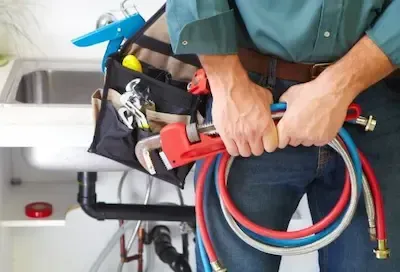
24/7 emergency plumbing response across all of Pickerington, including both the Fairfield and Franklin County sides of the city.
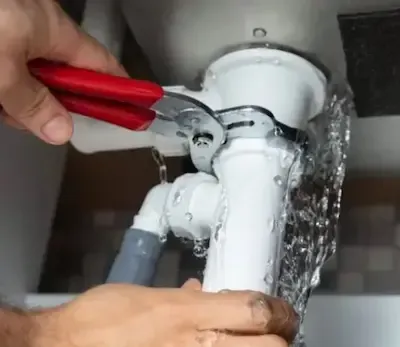
Fast burst pipe repair for Pickerington homes — we stop flooding, fix the break, and identify secondary vulnerabilities before they fail.
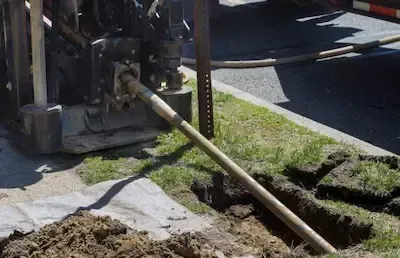
Sewer backup response for Pickerington homes on both city sewer and septic systems throughout Fairfield and Franklin County.
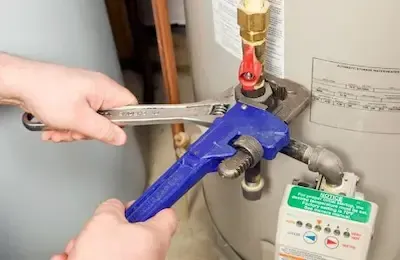
Water heater repair and replacement for tank and tankless units in Pickerington homes, including new SR-256 corridor construction.
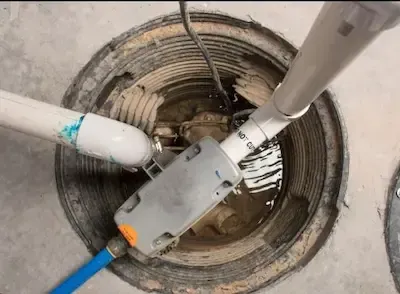
Sump pump repair and replacement for Pickerington homeowners — including builder-grade failures in newer SR-256 corridor subdivisions.
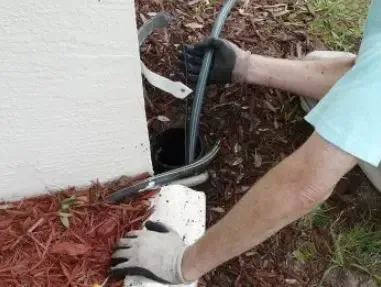
Professional drain cleaning for Pickerington homes — from root intrusion in new construction to aging galvanized lines in established neighborhoods.
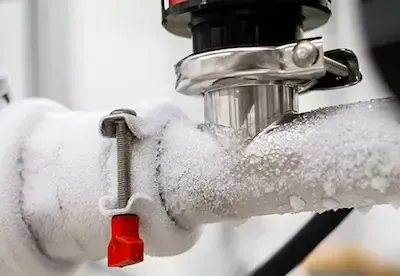
Frozen pipe repair and prevention for Pickerington homes — we fix the break and identify the insulation gaps that caused it.
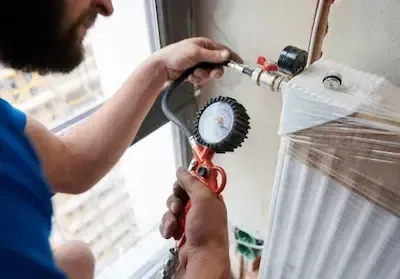
Non-invasive leak detection for Pickerington homes using acoustic and thermal equipment — we find it before it becomes a structural problem.
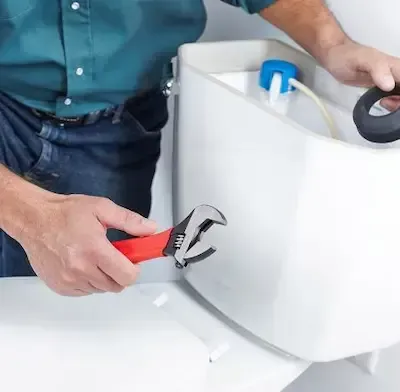
Toilet repair and replacement for Pickerington homeowners — from overflowing emergencies to running toilets wasting water daily.
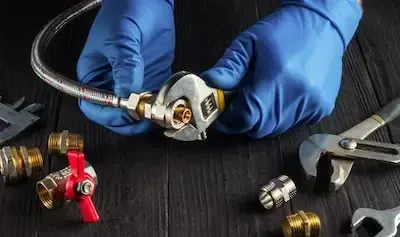
Licensed gas line repair for Pickerington homes across Fairfield and Franklin County — permitted, inspected, and done safely.
Frequently Asked Questions
Plumbing can be complex, and we’re here to provide answers to common questions. Here are some frequently asked questions from our clients.
Frequently Asked Questions about Emergency Plumber Pickerington OH
How fast can you respond to a plumbing emergency in Pickerington?
We prioritize fast dispatch across Pickerington, including both the Fairfield County and Franklin County sides. In most cases we can have a plumber on site within 60 minutes of your call. Response times can vary depending on time of day and location, but we do not leave emergencies waiting overnight.
Do you serve both Fairfield County and Franklin County areas of Pickerington?
Yes. Pickerington straddles two counties and we work throughout both. That includes incorporated Pickerington, unincorporated Violet Township in Fairfield County, and the Franklin County portions of the greater Pickerington area. We understand the code and permit differences that come with each county and handle paperwork accordingly.
What should I do while waiting for an emergency plumber?
Shut off the main water supply immediately if you have a burst pipe, active leak, or sewer backup. Locate your main shutoff valve before an emergency happens — it is typically in the basement or utility room. For gas line issues, leave the house and call the gas company first. Clear standing water if it is safe to do so and document the damage with photos.
Do you charge extra for nights, weekends, or holidays?
We quote our pricing upfront and do not add hidden after-hours surcharges without telling you first. Plumbing emergencies happen at 2 AM and on Christmas morning — we show up either way. Call us and we will give you a clear picture of the cost before any work begins.
What plumbing emergencies do you handle in Pickerington?
We handle burst pipes, sewer backups, water heater failures, sump pump failures, frozen pipes, drain clogs, leak detection, toilet overflows, and gas line issues. If it is a plumbing emergency in Pickerington, we handle it. We serve both newer homes in the SR-256 corridor and older established neighborhoods throughout the city.
Are you familiar with new construction plumbing in Pickerington's SR-256 corridor?
Yes. We have worked extensively in Pickerington's newer subdivisions along the SR-256 and US-33 corridors. Builder-grade plumbing in newer construction has specific failure patterns — pressure regulators, sump systems, and PEX supply lines fail differently than older copper or galvanized systems in established neighborhoods. We know the difference and respond accordingly.
Need Plumbing?
What Our Satisfied Clients Have to Say About Pickerington Emergency Plumbers
We pride ourselves on delivering great results and experiences for each client. Hear directly from home and business owners who’ve trusted us with their Plumbing needs.

Pipe burst in my basement at 11 PM on a Tuesday. Called and had a plumber at my door in under an hour. He stopped the flooding, identified a second weak section I did not know about, and had everything repaired before 2 AM. Exactly what you want from an emergency service — fast, no nonsense, done right.
Mike Callahan
Sewer backed up into our basement the morning after a heavy rain. We are in the Fairfield County side of Pickerington and I was not sure who to call. They knew exactly where we were and sent someone out within the hour. Cleared the blockage, ran a camera, explained what caused it. Professional from start to finish.
Sarah Nowak
New construction home in Pickerington and our sump pump died during the first big spring storm. Called at 6 in the morning expecting to leave a message. Someone answered immediately and a plumber was here by 8 AM. Installed a new pump plus a battery backup. No basement flooding. Would not hesitate to call again.
Greg Hoffman
The Trusted Plumbing Expert Near You
Ready to hear more about expert services at Pickerington Emergency Plumbers?
Contact us today to receive a detailed, no-obligation quote.

Serving Pickerington and the greater Columbus metro
24/7/365 Emergency Service - Regular Hours: Mon-Fri 7am-6pm, Sat-Sun Noon-5pm