
Reynoldsburg Emergency Plumbing — Aging Systems, Fast Turnaround
Mid-Century Housing and the Systems That Come With It
Residential properties across Reynoldsburg reflect a construction history that spans several decades, and the plumbing systems inside those homes were installed under the standards, materials, and techniques that were standard practice at the time each neighborhood was built. Sections developed during the postwar expansion through the 1970s carry galvanized steel supply lines and cast iron drain systems that have been in continuous service long enough to develop the wall thinning, mineral scale accumulation, and joint deterioration that precede failure events. These systems rarely give advance notice — a supply line that has been narrowing from the inside for years can produce a sudden pressure event that results in a breach at the weakest corroded section within minutes of a change in system conditions. Drain laterals in the same neighborhoods carry decades of grease accumulation and root intrusion from mature tree canopies, and the effective diameter of those laterals has decreased progressively in ways that are not apparent from interior fixture performance until a backup event occurs. Reynoldsburg's development also includes newer residential additions built in more recent decades that brought updated supply materials and larger-diameter sewer runs, but introduced a different category of age-related risk: original builder-specification water heaters, sump pumps, and fixture assemblies that have entered the window where component failure becomes statistically likely. Across both housing generations, emergency calls in this community arrive under conditions that have almost always been developing longer than the visible symptom suggests.
Newer Construction, Different Failure Patterns
The practical consequence of Reynoldsburg's layered construction history is that the failure mode most likely to produce an emergency call depends heavily on which section of the community the property is located in. Older ranch-style homes with original galvanized supply systems are the most likely source of burst-adjacent events — not from dramatic sudden breaks, but from the progressive wall failure at corroded sections that reaches the breach threshold when system conditions change: a period of higher flow demand, an isolated shutoff that concentrates pressure, or a freeze event in a perimeter run that has inadequate thermal protection. Drain backup events in these homes arrive partly from the lateral profile and partly from the fixture venting configurations that were standard in mid-century residential construction — designs that function adequately under normal load conditions but can produce backup events during high-demand household periods or wet weather infiltration. Newer residential sections have their own failure profile centered around components approaching or exceeding their installed service life: water heater tank failures in units that have never been maintained, sump pump motor burnout during extended high-volume events, and shut-off valve assemblies that fail to hold when called upon during a fixture emergency. In both cases, the outcome of an emergency call depends on how quickly the system can be isolated and what secondary damage has occurred in the interval between the failure and the response.
Supply Line Failures & Burst Pipe Events
Supply line emergencies in Reynoldsburg's older housing sections follow the failure pattern of galvanized steel systems that have been in service through multiple decades of thermal cycling, mineral accumulation, and progressive corrosion. The internal narrowing that characterizes aged galvanized pipe is not visible from the exterior of the line and does not produce obvious symptoms until the wall section thins to the point of breach — at which point the failure can be immediate and the flow volume into adjacent structural cavities or finished spaces can be significant. Homes with original shut-off valves present a secondary challenge during pipe emergencies: valves that have not been cycled in years frequently fail to hold or fail to fully close, which complicates the isolation step that is the first priority when a supply line fails inside a finished area. Identifying whether the primary shutoff at the meter is functional and reachable is a critical early diagnostic step on any supply emergency in a property with a multi-decade system age. In newer Reynoldsburg construction, supply line events tend to follow pressure and freeze patterns rather than corrosion patterns — PEX systems with inadequate perimeter insulation in attached garage runs, or pressure regulator degradation that allows fixture-level pressure to exceed design range, can produce failures that differ mechanically from the galvanized failure mode but carry the same urgency once a breach is underway and water is entering finished spaces.
Drain Backup & Sewer System Emergencies
Drain backup emergencies in Reynoldsburg arrive along a predictable failure curve in properties with original cast iron lateral systems — the tree root intrusion that enters lateral joints in the established sections of the community has in many cases been accumulating for decades, and the available flow diameter has been narrowing during that entire period. What makes these events appear sudden to the property owner is that a fully functioning household can operate within the reduced-diameter capacity of the lateral until a higher-demand period — a gathering, an extended stretch of higher occupancy, or a heavy rain event that puts additional flow into the system — pushes demand above the compromised capacity threshold. At that point the backup materializes quickly, and the cleanup and repair scope depends on how far the backup traveled before it was identified. Cleanout accessibility is a meaningful variable in this market: older construction in Reynoldsburg was not uniformly built with accessible cleanout configurations, and locating the right access point for camera inspection or jetting work sometimes requires tracing the line rather than relying on readily visible exterior cleanouts. Newer residential sections in Reynoldsburg present a different sewer emergency profile: larger laterals with fewer root intrusion points, but with mainline connection configurations that can produce backup events during storm inflow periods when the collection system becomes pressurized beyond its normal operating range.
Water Heater Failure & Basement Flooding
Water heater and flooding emergencies in Reynoldsburg properties reflect the same construction-era divide that shapes other emergency categories in this community. Older homes in the established sections are the most frequent source of water heater calls — not because the units are necessarily original, but because replacement cycles in these homes have not always been proactive. A unit that was installed as a replacement ten to twelve years ago and has never been flushed or inspected has almost certainly reached sediment accumulation levels that are degrading heating efficiency and accelerating tank wall corrosion, and a sudden failure in a utility room adjacent to a finished space can produce water intrusion that reaches flooring and drywall within minutes. Sump pump situations in Reynoldsburg's basement-equipped properties follow the storm event calendar closely — spring and fall high-precipitation periods generate the highest volume of sump-related emergency calls, with float switch failure and motor burnout under extended run conditions as the leading causes. Homes where the sump pump was last replaced more than seven to ten years ago are in the statistical window where a significant storm event should prompt a function check rather than an assumption of reliable operation. Basement flooding events in this community, whether sourced from sump failure or drain backup, share the same remediation timeline: the faster the standing water is addressed, the more of the finished space and structural materials can be preserved.
Comprehensive Plumbing Services in Pickerington
Tailored to Your Needs
From burst pipe emergencies to routine drain cleaning, we handle the full range of plumbing needs for Pickerington homeowners. Each service is backed by licensed technicians who know the difference between new SR-256 corridor construction and older established home infrastructure throughout the city.
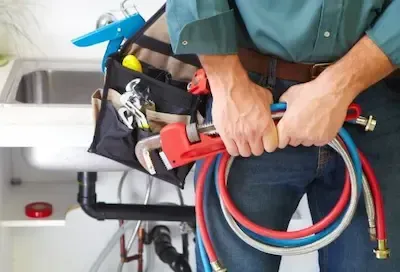
24/7 emergency plumbing response across all of Pickerington, including both the Fairfield and Franklin County sides of the city.
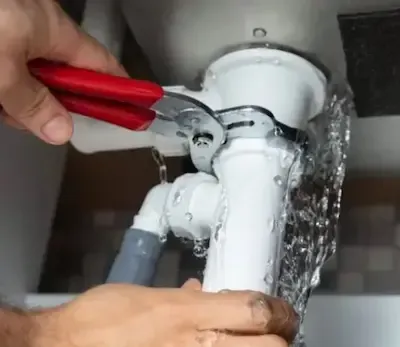
Fast burst pipe repair for Pickerington homes — we stop flooding, fix the break, and identify secondary vulnerabilities before they fail.
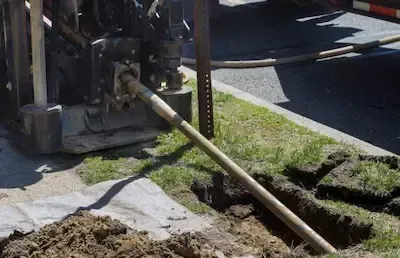
Sewer backup response for Pickerington homes on both city sewer and septic systems throughout Fairfield and Franklin County.
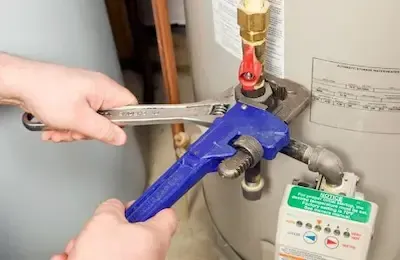
Water heater repair and replacement for tank and tankless units in Pickerington homes, including new SR-256 corridor construction.
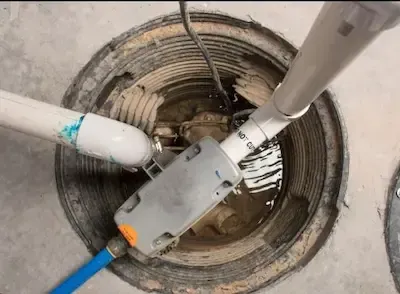
Sump pump repair and replacement for Pickerington homeowners — including builder-grade failures in newer SR-256 corridor subdivisions.
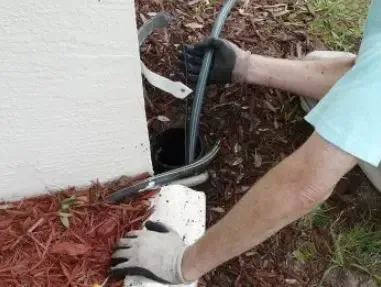
Professional drain cleaning for Pickerington homes — from root intrusion in new construction to aging galvanized lines in established neighborhoods.
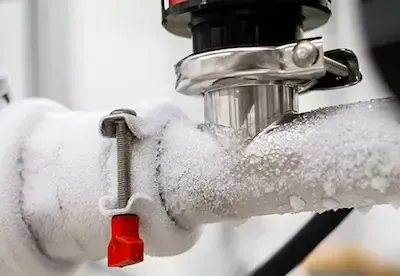
Frozen pipe repair and prevention for Pickerington homes — we fix the break and identify the insulation gaps that caused it.
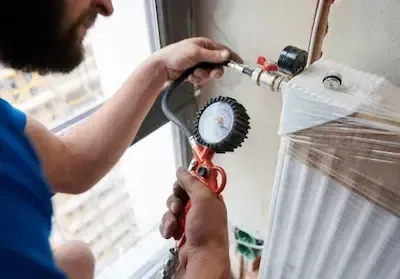
Non-invasive leak detection for Pickerington homes using acoustic and thermal equipment — we find it before it becomes a structural problem.
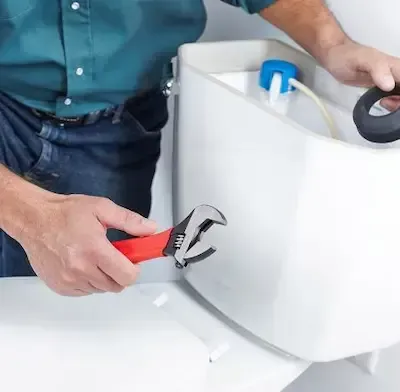
Toilet repair and replacement for Pickerington homeowners — from overflowing emergencies to running toilets wasting water daily.
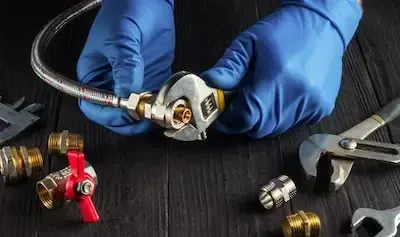
Licensed gas line repair for Pickerington homes across Fairfield and Franklin County — permitted, inspected, and done safely.
Frequently Asked Questions
Plumbing can be complex, and we’re here to provide answers to common questions. Here are some frequently asked questions from our clients.
Frequently Asked Questions about Emergency Plumber Pickerington OH
How fast can you respond to a plumbing emergency in Pickerington?
We prioritize fast dispatch across Pickerington, including both the Fairfield County and Franklin County sides. In most cases we can have a plumber on site within 60 minutes of your call. Response times can vary depending on time of day and location, but we do not leave emergencies waiting overnight.
Do you serve both Fairfield County and Franklin County areas of Pickerington?
Yes. Pickerington straddles two counties and we work throughout both. That includes incorporated Pickerington, unincorporated Violet Township in Fairfield County, and the Franklin County portions of the greater Pickerington area. We understand the code and permit differences that come with each county and handle paperwork accordingly.
What should I do while waiting for an emergency plumber?
Shut off the main water supply immediately if you have a burst pipe, active leak, or sewer backup. Locate your main shutoff valve before an emergency happens — it is typically in the basement or utility room. For gas line issues, leave the house and call the gas company first. Clear standing water if it is safe to do so and document the damage with photos.
Do you charge extra for nights, weekends, or holidays?
We quote our pricing upfront and do not add hidden after-hours surcharges without telling you first. Plumbing emergencies happen at 2 AM and on Christmas morning — we show up either way. Call us and we will give you a clear picture of the cost before any work begins.
What plumbing emergencies do you handle in Pickerington?
We handle burst pipes, sewer backups, water heater failures, sump pump failures, frozen pipes, drain clogs, leak detection, toilet overflows, and gas line issues. If it is a plumbing emergency in Pickerington, we handle it. We serve both newer homes in the SR-256 corridor and older established neighborhoods throughout the city.
Are you familiar with new construction plumbing in Pickerington's SR-256 corridor?
Yes. We have worked extensively in Pickerington's newer subdivisions along the SR-256 and US-33 corridors. Builder-grade plumbing in newer construction has specific failure patterns — pressure regulators, sump systems, and PEX supply lines fail differently than older copper or galvanized systems in established neighborhoods. We know the difference and respond accordingly.
Need Plumbing?
What Our Satisfied Clients Have to Say About Pickerington Emergency Plumbers
We pride ourselves on delivering great results and experiences for each client. Hear directly from home and business owners who’ve trusted us with their Plumbing needs.

Pipe burst in my basement at 11 PM on a Tuesday. Called and had a plumber at my door in under an hour. He stopped the flooding, identified a second weak section I did not know about, and had everything repaired before 2 AM. Exactly what you want from an emergency service — fast, no nonsense, done right.
Mike Callahan
Sewer backed up into our basement the morning after a heavy rain. We are in the Fairfield County side of Pickerington and I was not sure who to call. They knew exactly where we were and sent someone out within the hour. Cleared the blockage, ran a camera, explained what caused it. Professional from start to finish.
Sarah Nowak
New construction home in Pickerington and our sump pump died during the first big spring storm. Called at 6 in the morning expecting to leave a message. Someone answered immediately and a plumber was here by 8 AM. Installed a new pump plus a battery backup. No basement flooding. Would not hesitate to call again.
Greg Hoffman
The Trusted Plumbing Expert Near You
Ready to hear more about expert services at Pickerington Emergency Plumbers?
Contact us today to receive a detailed, no-obligation quote.

Serving Pickerington and the greater Columbus metro
24/7/365 Emergency Service - Regular Hours: Mon-Fri 7am-6pm, Sat-Sun Noon-5pm