
Groveport's Older Housing Stock Demands Faster Emergency Plumbing Response
Established Neighborhoods and Aging System Conditions
Groveport's residential sections carry a construction history that places much of the existing housing stock in the mid-twentieth century build era, and the plumbing systems within those homes reflect the material standards and installation practices that were current when the original neighborhood development occurred. Cast iron drain stacks and galvanized steel supply runs in the oldest sections have been operating through decades of Ohio seasonal cycling — the expansion and contraction stresses of alternating freeze and thaw periods, corrosion from water chemistry, and the accumulated effects of scale deposition that narrows effective pipe diameter over time without producing symptoms visible from the interior of the property. The proximity of Groveport's residential areas to the active commercial and logistics corridor along US-33 creates a water main pressure environment that differs from purely residential communities — commercial and industrial demand patterns can introduce pressure variability during peak operational periods that accelerates fitting and valve wear in residential systems served from the same distribution infrastructure. Older homes in this community often have a documented history of partial system updates — a water heater replaced by a previous owner, a drain section rerouted during a basement finish, a supply branch extended to a garage addition — that leaves the overall plumbing configuration as a composite of different eras and material types rather than a single coherent system. These hybrid configurations introduce transition-point vulnerabilities that are more likely to produce failure events than either the old or new sections of the system would on their own.
Industrial-Adjacent Properties and Pressure Dynamics
Emergency plumbing calls in Groveport frequently arrive with a preceding history that the property owner has either not observed or has deferred addressing — a slow drain that has been declining for a year before it backs up, a supply connection that has been weeping without causing visible damage, a water heater that has been producing reduced hot water volume for months before the tank finally fails. This deferred-condition pattern is characteristic of older residential communities where the housing stock has changed hands through multiple ownership cycles and where maintenance records are not always transferred reliably between owners. The net effect is that emergency calls in this community often reveal underlying system conditions that are more extensive than the presenting symptom suggests, and the repair scope frequently extends beyond the immediate failure point once the diagnostic process exposes adjacent deterioration. Basement-equipped homes in Groveport's older sections carry an additional sump pump dimension that is directly relevant to emergency response — installations from the 1980s and 1990s that have never been replaced or tested under sustained load conditions represent a genuine failure risk during Ohio's high-precipitation seasons. Properties where the sump system has been operating for more than ten years without inspection should be treated as a maintenance liability that becomes an emergency liability during the first sustained storm event of the spring season, when the stakes of pump failure are highest and the consequences arrive fastest.
Burst Pipe & Supply Line Emergencies
Pipe failure emergencies in Groveport's established residential sections carry the specific characteristics of cast iron and galvanized systems that have been in continuous service through decades of seasonal stress cycles without full replacement. Supply line failures in these homes tend to occur at the corrosion points that develop along galvanized runs where water chemistry, temperature cycling, and mechanical stress have thinned the pipe wall to the breach threshold — a failure that arrives suddenly from the homeowner's perspective but represents the endpoint of a process that has been developing for years. The presence of finished basements with drywall ceilings in many Groveport homes from this era means that the failure point for supply line breaches above the ceiling is often not directly identifiable by visual inspection from below — water may travel several feet horizontally through the ceiling cavity before manifesting at a visible drip location, which means the actual failure point may be well away from where the leak becomes apparent. Older shut-off valve assemblies in these homes compound the emergency — a main shutoff that has not been cycled in five or more years is subject to packing failure or seized stem conditions that prevent full closure, which extends the water intrusion period during an emergency and potentially makes a second repair call necessary to restore the shutoff to reliable function. Coordinating quick main shutoff at the meter when in-home valve reliability is uncertain is a standard early step in emergency response for properties of this vintage.
Drain Backup & Sewer System Failures
Drain and sewer emergency calls in Groveport reflect the typical failure pattern of older residential lateral systems — clay tile and cast iron laterals installed in the mid-century era that have accumulated decades of root intrusion, joint displacement from ground movement, and interior scale buildup that progressively reduces effective flow capacity. Properties in Groveport's older sections often have mature tree canopies above and adjacent to drain lateral runs, and the root activity associated with those trees is the most common driver of lateral narrowing that eventually produces a backup event. The backup often presents as a slow drain condition across multiple fixtures simultaneously — which distinguishes a mainline obstruction or lateral failure from a single-fixture trap or vent issue — and that multi-fixture presentation is the signal that the failure is in the main drain path rather than at an individual fixture connection. Identifying the cleanout location and condition is the critical first step: older Groveport properties may have cleanout access points that are buried, cracked, or in locations that require excavation to access, and that access determination affects the response timeline significantly. Properties adjacent to Groveport's commercial and logistics corridor along US-33 may also experience main sewer pressure effects during peak operational periods when high commercial water usage in adjacent properties introduces flow volume into the collection system that affects residential lateral drainage rates.
Water Heater Failure & Sump Pump Events
Water heater and sump pump emergencies in Groveport carry the weight of deferred maintenance that characterizes much of the community's older residential housing stock. Water heater units in mid-century homes have frequently been through one or two replacement cycles, but replacement decisions are not always made proactively — units often run until a failure event rather than being replaced on a maintenance schedule, which means that the average water heater in service in these properties is operating beyond the point where tank condition can be presumed reliable. A tank failure in a utility area adjacent to living space or finished basement flooring produces water intrusion that begins within seconds of the breach and reaches material damage thresholds within minutes, making response speed directly proportional to the financial cost of the event. Sump pump situations in Groveport basement-equipped properties follow a predictable seasonal pattern — the highest risk periods are the first sustained storm events after a dry period, when pumps that have been idle are called to perform under load conditions and reveal mechanical or electrical failures that went undetected during the idle period. Older pump installations with original float switch assemblies, non-sealed electrical connections, and original discharge lines that may have developed check valve failures are the highest-risk category in this community's older housing inventory.
Comprehensive Plumbing Services in Pickerington
Tailored to Your Needs
From burst pipe emergencies to routine drain cleaning, we handle the full range of plumbing needs for Pickerington homeowners. Each service is backed by licensed technicians who know the difference between new SR-256 corridor construction and older established home infrastructure throughout the city.
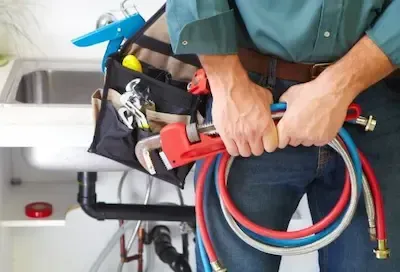
24/7 emergency plumbing response across all of Pickerington, including both the Fairfield and Franklin County sides of the city.
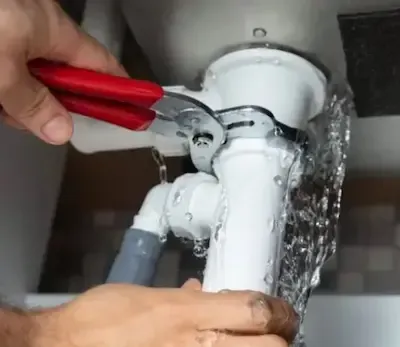
Fast burst pipe repair for Pickerington homes — we stop flooding, fix the break, and identify secondary vulnerabilities before they fail.
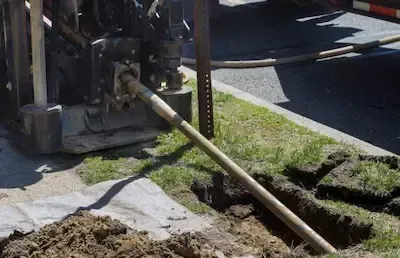
Sewer backup response for Pickerington homes on both city sewer and septic systems throughout Fairfield and Franklin County.
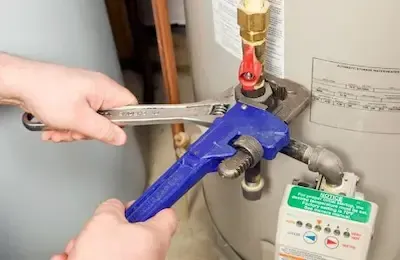
Water heater repair and replacement for tank and tankless units in Pickerington homes, including new SR-256 corridor construction.
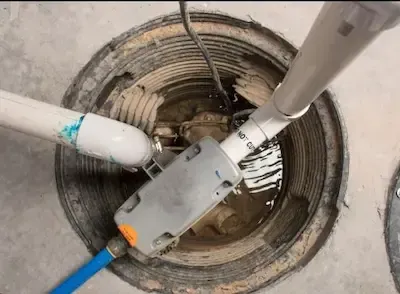
Sump pump repair and replacement for Pickerington homeowners — including builder-grade failures in newer SR-256 corridor subdivisions.
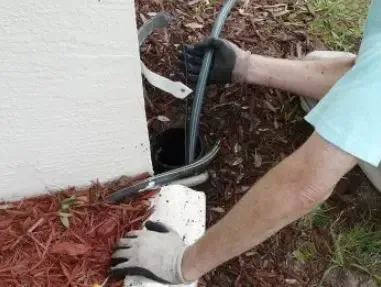
Professional drain cleaning for Pickerington homes — from root intrusion in new construction to aging galvanized lines in established neighborhoods.
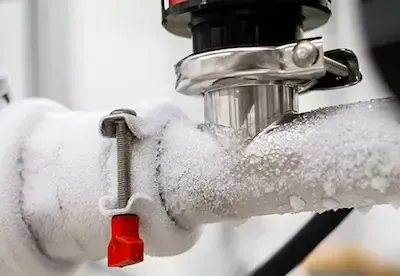
Frozen pipe repair and prevention for Pickerington homes — we fix the break and identify the insulation gaps that caused it.
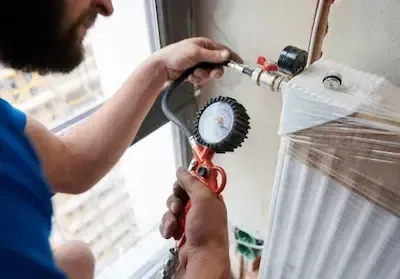
Non-invasive leak detection for Pickerington homes using acoustic and thermal equipment — we find it before it becomes a structural problem.
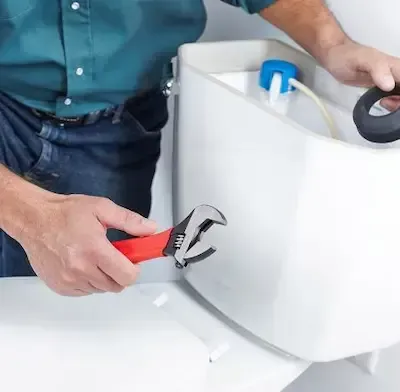
Toilet repair and replacement for Pickerington homeowners — from overflowing emergencies to running toilets wasting water daily.
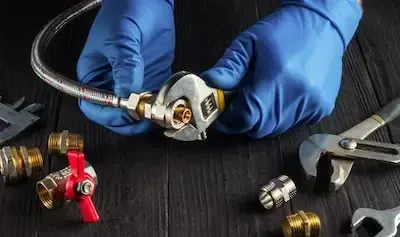
Licensed gas line repair for Pickerington homes across Fairfield and Franklin County — permitted, inspected, and done safely.
Frequently Asked Questions
Plumbing can be complex, and we’re here to provide answers to common questions. Here are some frequently asked questions from our clients.
Frequently Asked Questions about Emergency Plumber Pickerington OH
How fast can you respond to a plumbing emergency in Pickerington?
We prioritize fast dispatch across Pickerington, including both the Fairfield County and Franklin County sides. In most cases we can have a plumber on site within 60 minutes of your call. Response times can vary depending on time of day and location, but we do not leave emergencies waiting overnight.
Do you serve both Fairfield County and Franklin County areas of Pickerington?
Yes. Pickerington straddles two counties and we work throughout both. That includes incorporated Pickerington, unincorporated Violet Township in Fairfield County, and the Franklin County portions of the greater Pickerington area. We understand the code and permit differences that come with each county and handle paperwork accordingly.
What should I do while waiting for an emergency plumber?
Shut off the main water supply immediately if you have a burst pipe, active leak, or sewer backup. Locate your main shutoff valve before an emergency happens — it is typically in the basement or utility room. For gas line issues, leave the house and call the gas company first. Clear standing water if it is safe to do so and document the damage with photos.
Do you charge extra for nights, weekends, or holidays?
We quote our pricing upfront and do not add hidden after-hours surcharges without telling you first. Plumbing emergencies happen at 2 AM and on Christmas morning — we show up either way. Call us and we will give you a clear picture of the cost before any work begins.
What plumbing emergencies do you handle in Pickerington?
We handle burst pipes, sewer backups, water heater failures, sump pump failures, frozen pipes, drain clogs, leak detection, toilet overflows, and gas line issues. If it is a plumbing emergency in Pickerington, we handle it. We serve both newer homes in the SR-256 corridor and older established neighborhoods throughout the city.
Are you familiar with new construction plumbing in Pickerington's SR-256 corridor?
Yes. We have worked extensively in Pickerington's newer subdivisions along the SR-256 and US-33 corridors. Builder-grade plumbing in newer construction has specific failure patterns — pressure regulators, sump systems, and PEX supply lines fail differently than older copper or galvanized systems in established neighborhoods. We know the difference and respond accordingly.
Need Plumbing?
What Our Satisfied Clients Have to Say About Pickerington Emergency Plumbers
We pride ourselves on delivering great results and experiences for each client. Hear directly from home and business owners who’ve trusted us with their Plumbing needs.

Pipe burst in my basement at 11 PM on a Tuesday. Called and had a plumber at my door in under an hour. He stopped the flooding, identified a second weak section I did not know about, and had everything repaired before 2 AM. Exactly what you want from an emergency service — fast, no nonsense, done right.
Mike Callahan
Sewer backed up into our basement the morning after a heavy rain. We are in the Fairfield County side of Pickerington and I was not sure who to call. They knew exactly where we were and sent someone out within the hour. Cleared the blockage, ran a camera, explained what caused it. Professional from start to finish.
Sarah Nowak
New construction home in Pickerington and our sump pump died during the first big spring storm. Called at 6 in the morning expecting to leave a message. Someone answered immediately and a plumber was here by 8 AM. Installed a new pump plus a battery backup. No basement flooding. Would not hesitate to call again.
Greg Hoffman
The Trusted Plumbing Expert Near You
Ready to hear more about expert services at Pickerington Emergency Plumbers?
Contact us today to receive a detailed, no-obligation quote.

Serving Pickerington and the greater Columbus metro
24/7/365 Emergency Service - Regular Hours: Mon-Fri 7am-6pm, Sat-Sun Noon-5pm